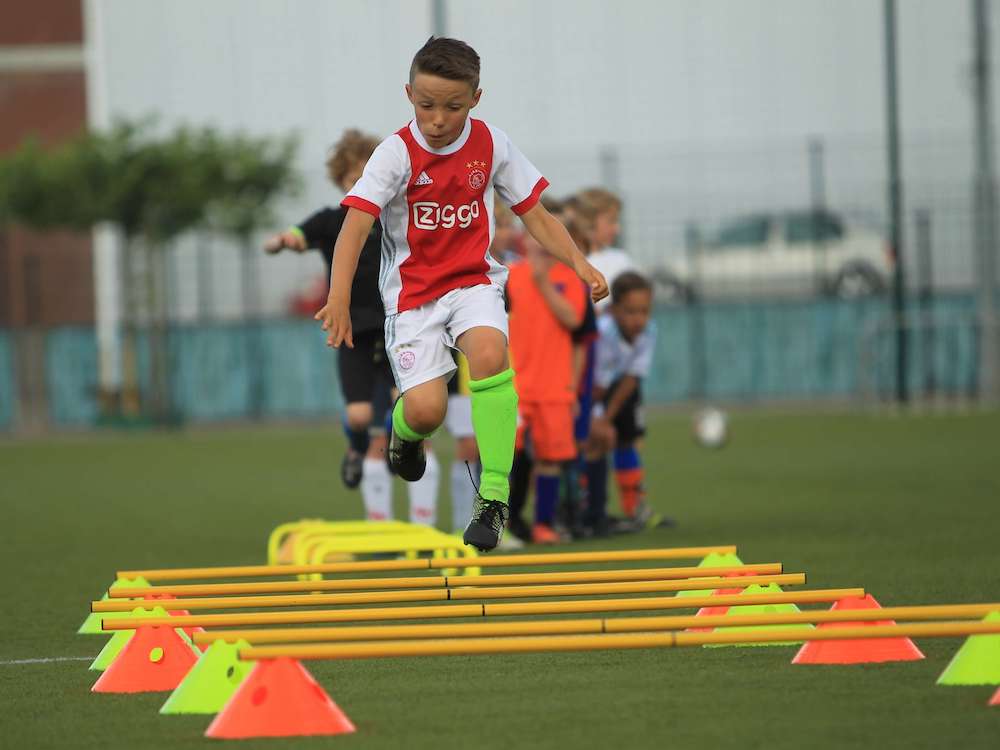
This is the number of pro academy games your child should play
The guidelines to guarantee your child is getting enough match play.
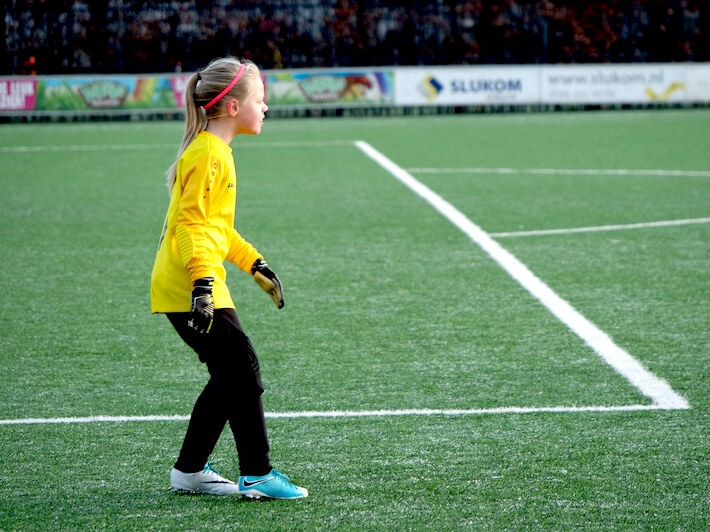
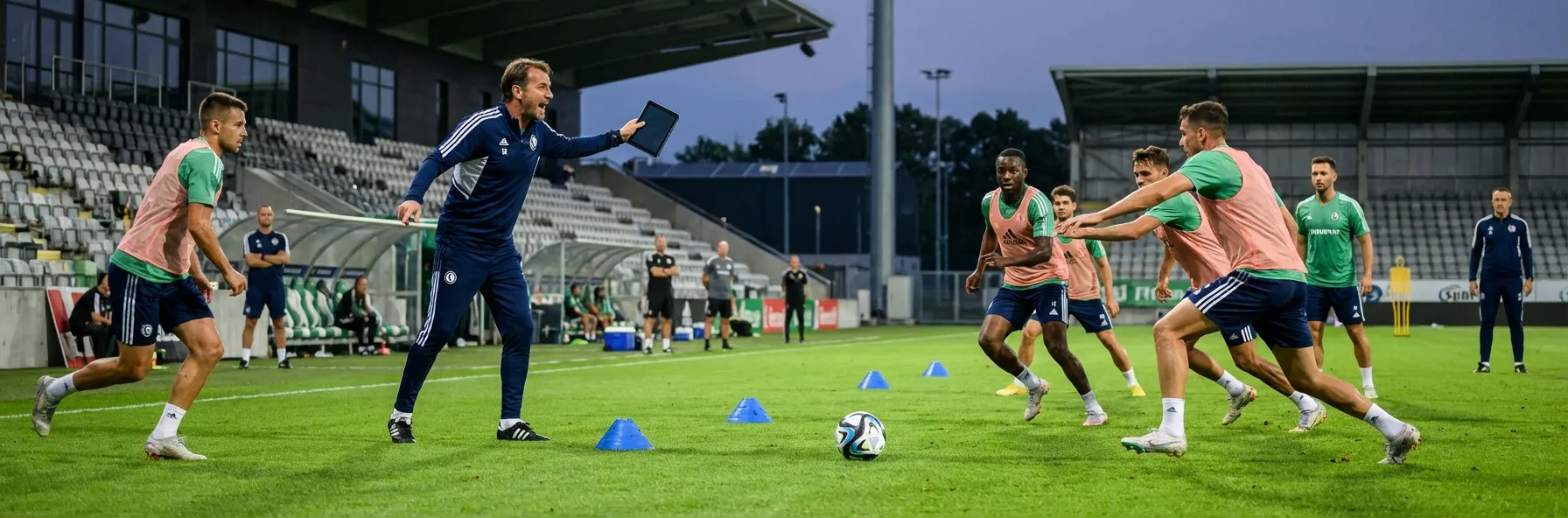
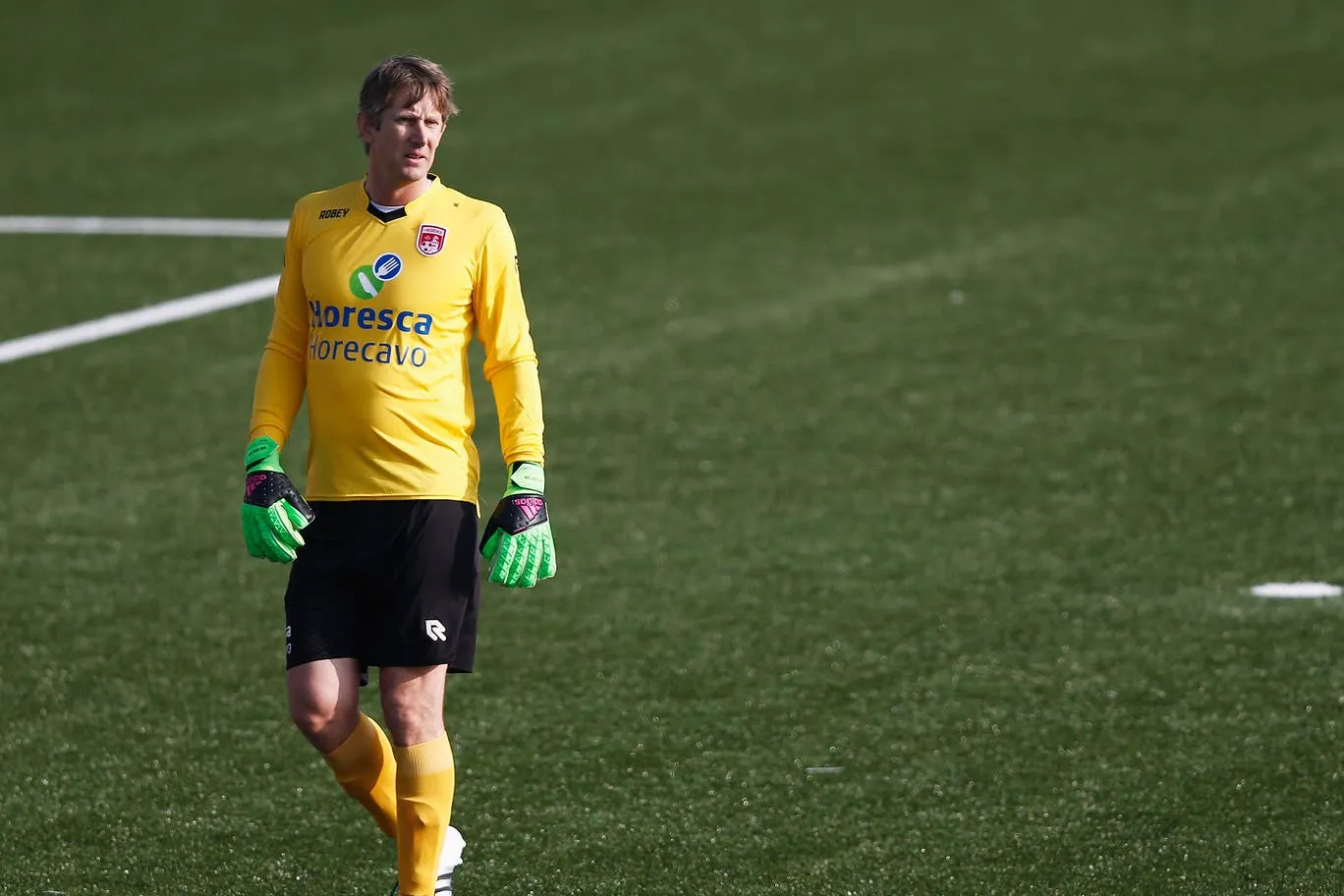
BENCHED: Academy football means equal playing time should be encouraged
"You're on the bench" - the words your child never wants to hear . Especially at a pro academy when both the parent and player have dedicated their life to football.
But did you know, your child is actually entitled to a certain amount of game-time depending on their level?
football4football can tell you what to expect going forward to ensure your child gets enough experience for the pro game.
Know your stuff
There are guidelines written by the English Football League (EFL) that state the number of games a young academy player should play in each phase of the Performance Pathway. This is part of an overall games programme each player will receive at the different levels. We've outlined the games programmes below.
Foundation phase: U9 to U11
Games are played locally, usually on Sundays. These could include festivals with 3 other Clubs
Matches are usually small-sided
You should participate in at least 50% of match playing time, reasonably spread out across the season
A regional indoor season takes place in winter for Category 1 and 2 players
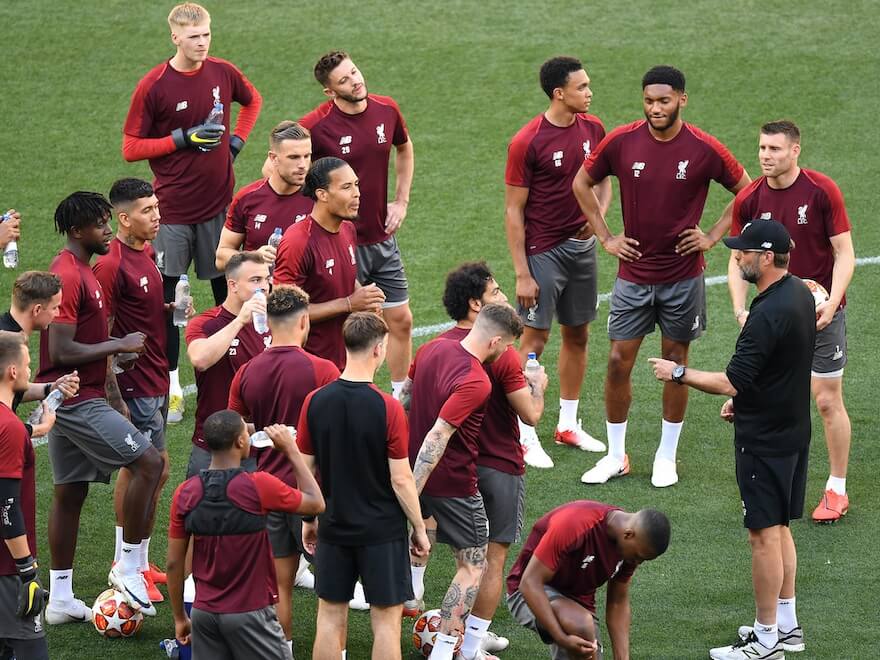
GAME-TIME: Depending on a players age, there are different rules for how many matches they should be playing each season
Youth development phase: U12 to U16
Usually played at weekends and can include regular football festivals
Games are played mainly regionally, but also nationally and internationally for high Category players
In the U12 and U14 age groups you should participate in at least 50% of matches, reasonably spread out across the season
In the U15 and U16 age groups you should participate in at least 20 'authorised games' per season and at least 50% of game time
Players may be introduced to tournament football
The amount of games your child should be playing is always subject to their fitness. But by allowing every player to play a certain number of matches gives each child an equal opportunity to be assessed against their peers.
Once your child reaches U17 or above (in the Professional Development Phase) they are treated very similarly to those in the professional game, playing in either a bespoke U18 League or Professional Development League. Games usually take place on Saturdays, and at Category 1 and 2 academy level, it's possible a proportion of their games could be at their Club's main stadium!
Game formats
Within the games programmes, there are also set game formats for each age group. These are useful to know because they include the number of people in a team, the goal size, the ball size and the size of the pitch your child will be playing on.
Understanding overuse
You may want your child to star in every game, and yes, there are a proportion of matches they should be playing, but too much football can also have a negative effect.
Young footballers can be at a greater risk of overuse injuries because their musculoskeletal systems are still developing. Strain and impact on the muscles and joints during intense exercise can cause problems in areas such as the knee and ankle.
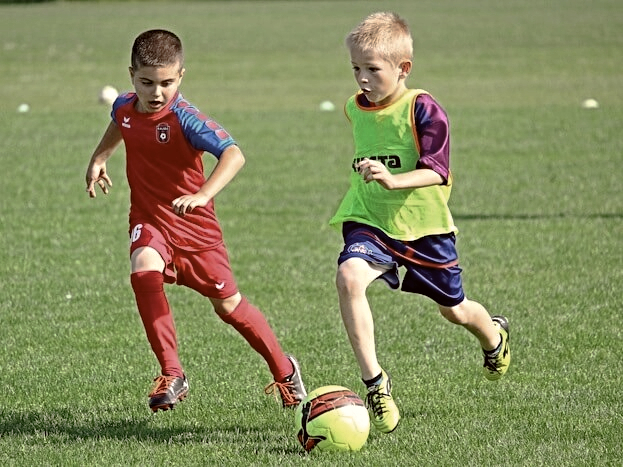
In more extreme cases, growth-related conditions can arise, including Sever's disease and Osgood-Schlatter's disease.
Bones & Joints
Osgood Schlatter's and Sever's Disease: overuse football injuries in children
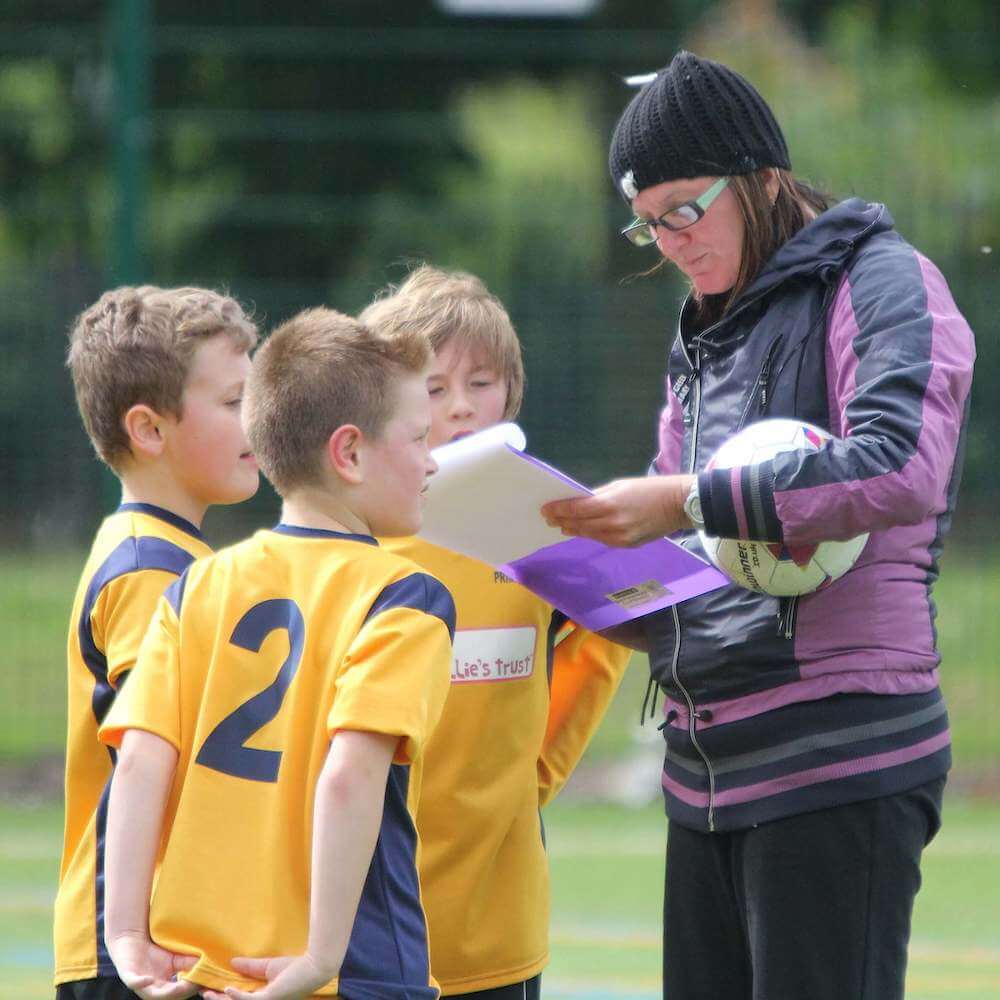
It is important that both you and the coach know how many games your child has played. 'The more the better' is not always the case!
Final Note
Knowing how many games your child should be playing at each academy stage will give a better understanding of the football journey. It can also help your child avoid overuse injuries and burnout.
Comments
Loading comments…