Project: Dutch Golden Generation - Mark Wotte
Former Dutch National Youth Coach, Mark Wotte, could've tried to win every title international youth football offered. Instead, he created a legacy focused on development. He reveals his insights into coaching some of the world's best teenage players.
At the top level of the game results count, fact! Results can be counted in different ways, however. In competition, success is reflected on a scoreboard. With elite-level development, success is indicated by the number of players produced [or who progresses] at the end of a process.
Mark Wotte knows all about winning. The Dutch football manager has led teams in the Netherlands, Egypt, Qatar, England, Romania & Morocco. Each role was at different levels, in different set-ups, with very different expectations.
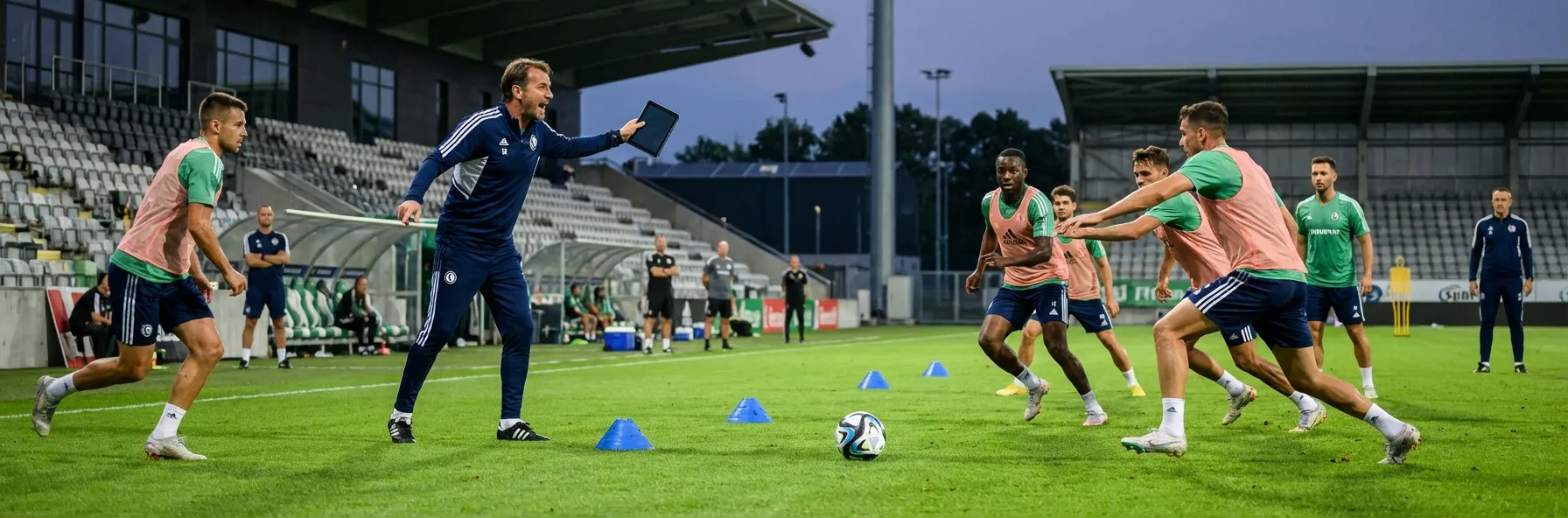
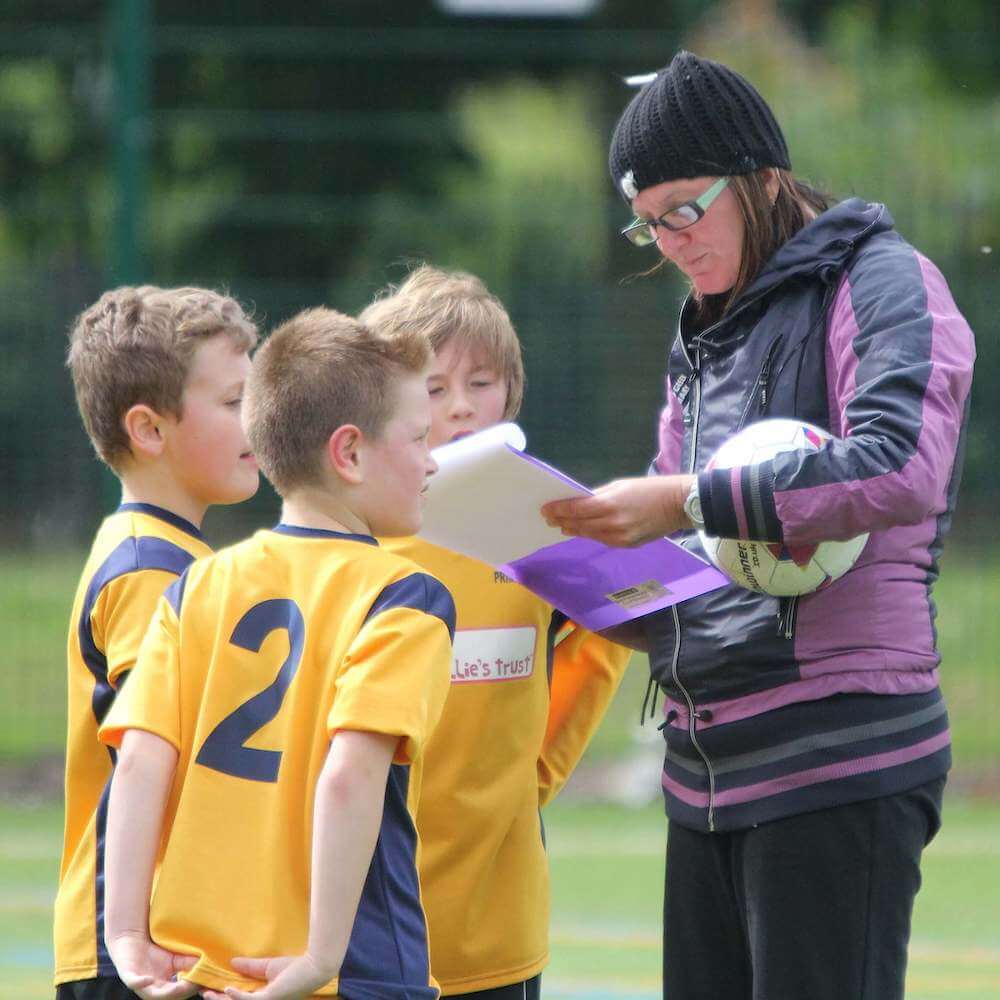
LONG-TERM FOCUS: Mark Wotte with the Dutch U19s & U21s needed a vision backed by belief in the process.
1983–1988: VV Rijswijk
1992: ADO Den Haag
1994–1996: FC Lisse
1996–1998: ADO Den Haag
1998–2000: FC Utrecht
2000–2000: FC Den Bosch
2000–2002: Netherlands U19 + U21
2002–2004: Willem II Tilburg
2006: Ismaily
2006–2007: RKC Waalwijk
2007–2008: Al Ahli Doha
2009: Southampton
2010: Universitatea Craiova
2010–2011: Ismaily
2011–2014: Scottish FA (performance director)
2015: Moroccan FA (coach national team U23)
After finishing his playing career, he sunk his coaching teeth into the Dutch amateur set-ups. He made his first step into the elite configuration with Den Haag. Some early success with the youth teams against established academies of Feyenoord & Ajax gained him a reputation as someone on the rise.
Encounters with Louis van Gaal's Amsterdam young stars first alerted the future Barcelona & Manchester manager of his credentials. Having progressed to the helm of FC Utrecht, he was invited to deliver a project - the Dutch National Youth U19s and U21s team of 2000.
Louis van Gaal had kept tabs on his old adversary, knowing he would be an ideal personality for the KNVB.
All about continuity
Dutch football has always put player development over team results when it comes to their youth. At club level, this reaped dividends for teams like Ajax. Continually, they advanced teenager upon teenager, season after season, into 1st team squads.
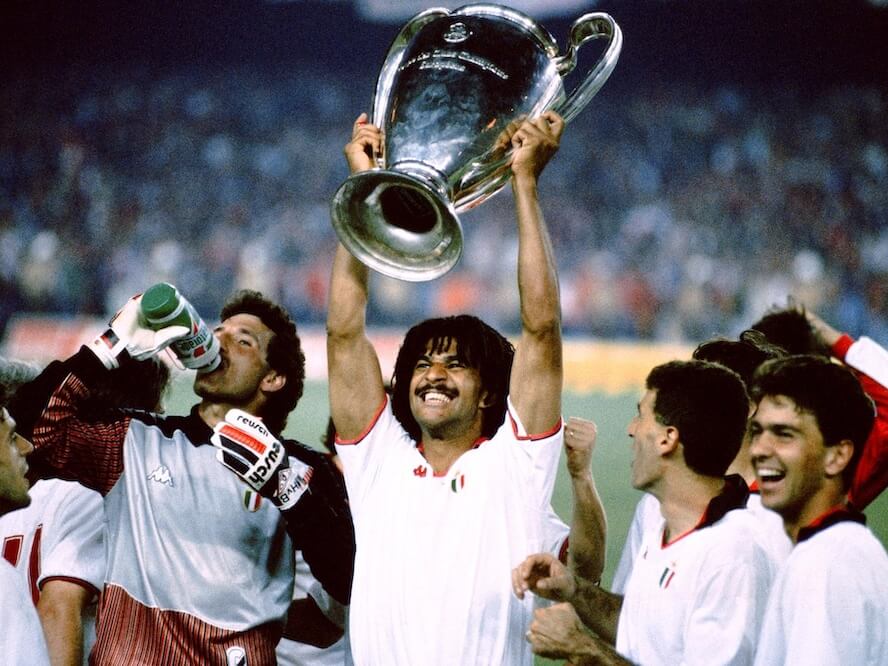
Domestic success was not so evident with national team efforts though. When Wotte became involved with the Dutch federation, the last great side was the 1988 Euro champions team of Ruud Gullit , Koeman & Marco Van Basten . That was a great feat but a surprise triumph for the men in orange. There weren't many young players in that squad of note apart from say, Aron Winter (the youngest at 21).
There was progress at Euro 96, and the 1998 World Cup in the U.S saw the emergence of Dennis Bergkamp , Edgar Davids, Marc Overmars and Frank & Ronald de Boer: all products of a development process at Ajax. With these players taking care of business, the Dutch federation didn't want to rest on their laurels. Momentum and 'restock' was the new thinking for the national team.
The past would suggest that Holland had the talent at the international level, but there was no immediate plan. Under Wotte there was a concerted effort for continuity. Take a group from U19's to progress through to the U21's, to be well-equipped for international football, ultimately producing senior squad players.
You have to produce players for your first team at an academy level and you have to produce players for the National team at an association level.
Former Dutch National Youth Coach - Mark Wotte to football4football
Some major countries see youth football as a vanity exercise to flex their muscle. Show the world, 'look what we have won '. Misguided short-term goals can sometimes hinder long-term progression.
England, for example, had always done well at youth tournaments with different crops of young talent. That talent, however, rarely fills the voids vacated by senior players on the international scene. It also could be argued that many don't translate early potential into top-flight careers as effectively as other countries.
Pool of talent
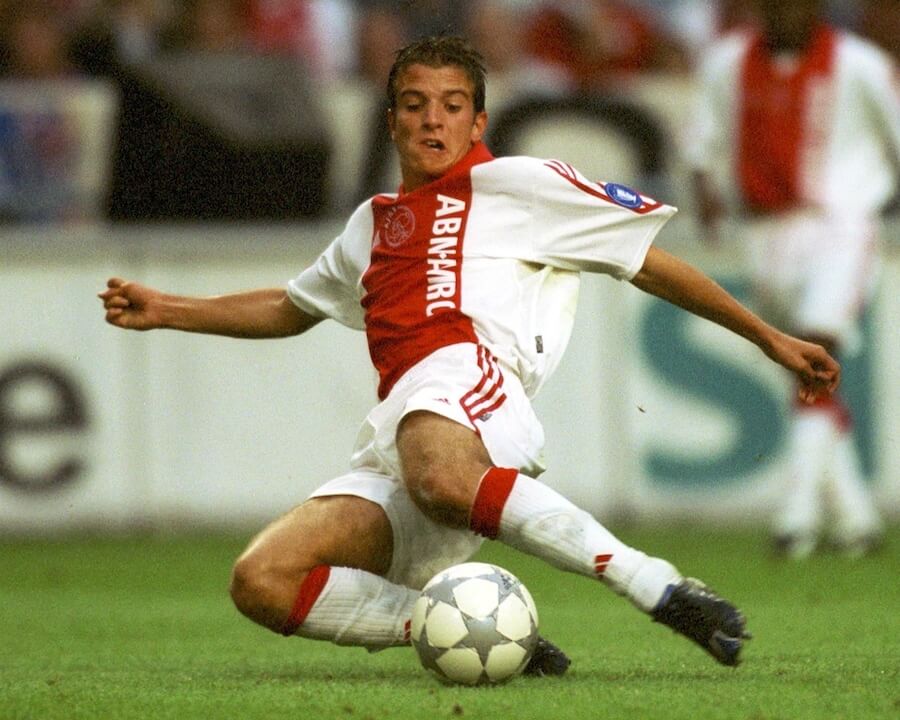
Wotte's talent pool included 17 year-olds playing domestic 1st team football. Stakes maybe aren't as high in Erdevisie as they are the English Premier League financially. That said, the young talents, such as Ajax's Raphael van der Vaart were playing for big clubs.
Van der Vaart was the best one at that moment.
Former Dutch National Youth Coach - Mark Wotte to football4football
It was van der Vaart who'd become the barometer to test the federation's real ambition.
The Ajax midfielder needed to be exposed to the highest international level available. That meant Mark's U21's. Playing 4 years above his age group was justified as far as Wotte was concerned.
His team may have struggled as he found his feet, but that wasn't a problem. Clear objectives to experience the tactical & mental requirements of world-class football was the plan.
Other talents around that time were identified for the development environment.
Players such as Robin van Persie, one of the best strikers of his generation was picked. His deadly left foot was evident from the off.
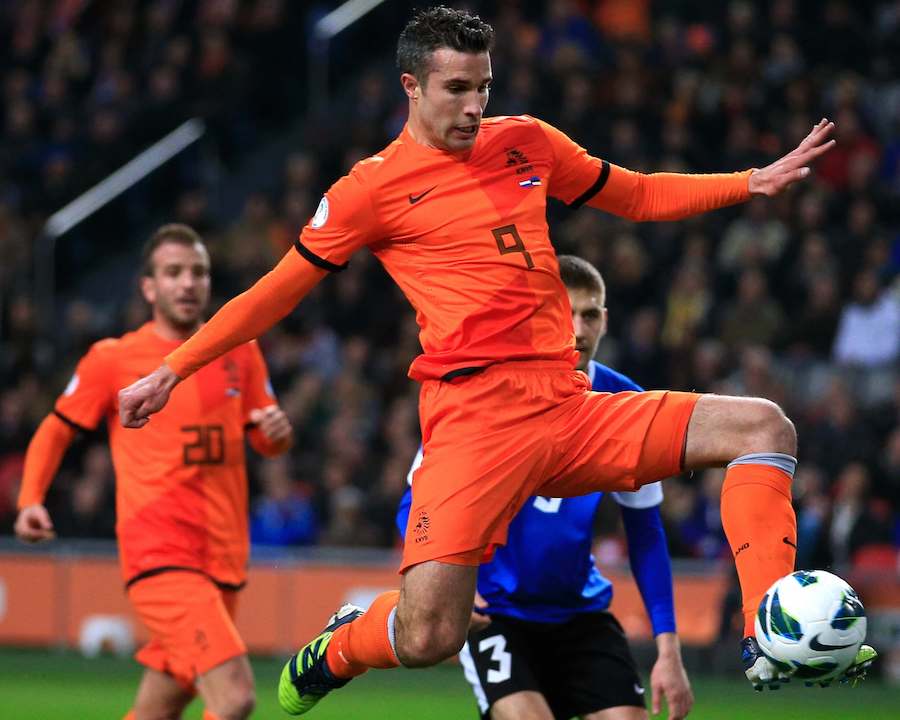
John Heitinga [formely of Everton in Premier League] was a robust ball-playing centre-back.
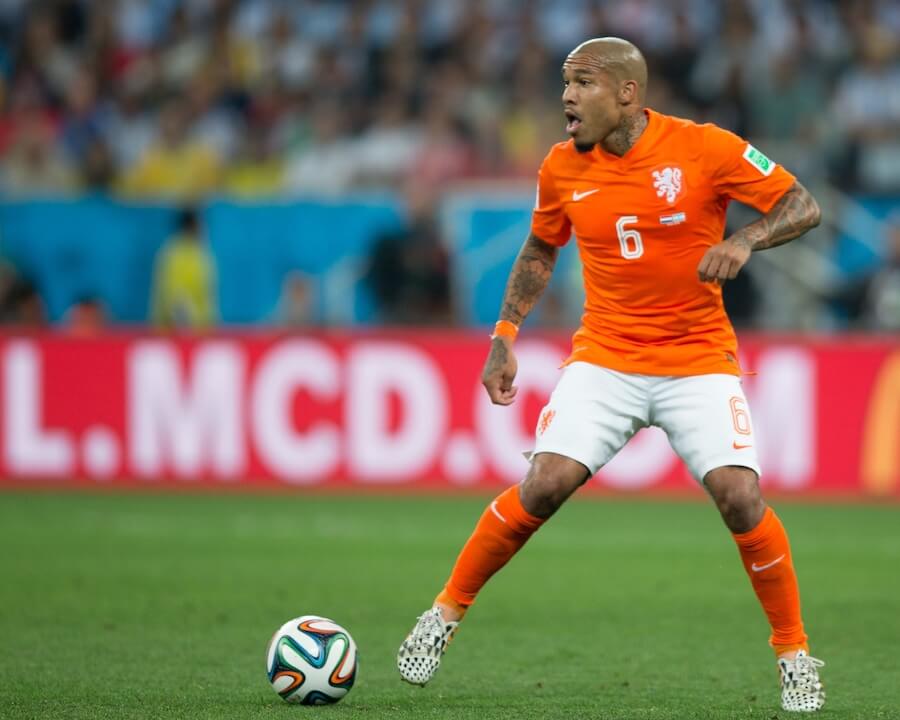
Van der Vaart's Ajax fellow academy graduate, Nigel De Jong , made a forceful impression too. Though he'd end up becoming an accomplished defensive midfielder , he played for Wotte as a right back.
Nigel de Jong was a warrior from the first time we saw him.
Former Dutch National Youth Coach - Mark Wotte to football4football
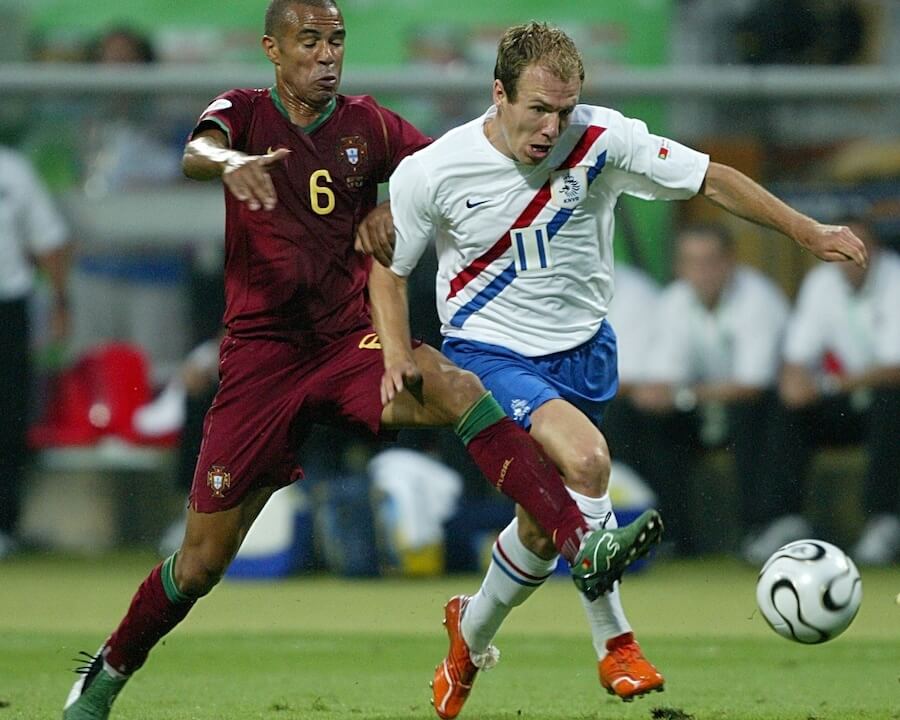
Another addition to the superstar ensemble was ex-Chelsea, Real Madrid & Bayern star, Arjen Robben . The lefty had lightning speed and ball hugging dribbling ability. Things that made him enjoy his time on the ball.
Other players of note included Jan Klass Huntelaar, Dirk Kuyt & Maarten Stekelenburg ensuring good competition for places.
Skilful delivery
With the objective clearly set, it needed conviction for delivery. Wotte's squad loved football. Assurances from above about the longterm benefits, enabled negative results to be brushed aside. The environment was all about development with no consequence.
A high profile defeat by England would under normal circumstances cause headlines in Holland. On this particular occasion [November 2001] the 1-0 loss in a European Championship play-off highlighted anticipated positives. The Dutch dominated the game seeing Raphael van der Vaart the star on the night. The scoreline didn't matter as Wotte saw what was important.
His flexible 4-3-3 over his 2-year tenure accommodated teams of tactical awakenings underpinned by opportunities for individual talents to 'figure it out'.
Mark Wotte's squads weren't the most successful in terms of youth trophy wins or even qualification come to that. But hey, that was alright. Nine years on, his fearless teens made up nearly 3/4s of Holland's team for the 2010 World Cup final in South Africa. The Dutch in major finals is one of football's greatest conundrums [they got beat by Spain], but the former defender had produced, he'd done his bit.
At the 'development' level, establishing the pathway is essential; anything more is a bonus.
Comments
Loading comments…