Osgood Schlatter's and Sever's Disease: overuse football injuries in children
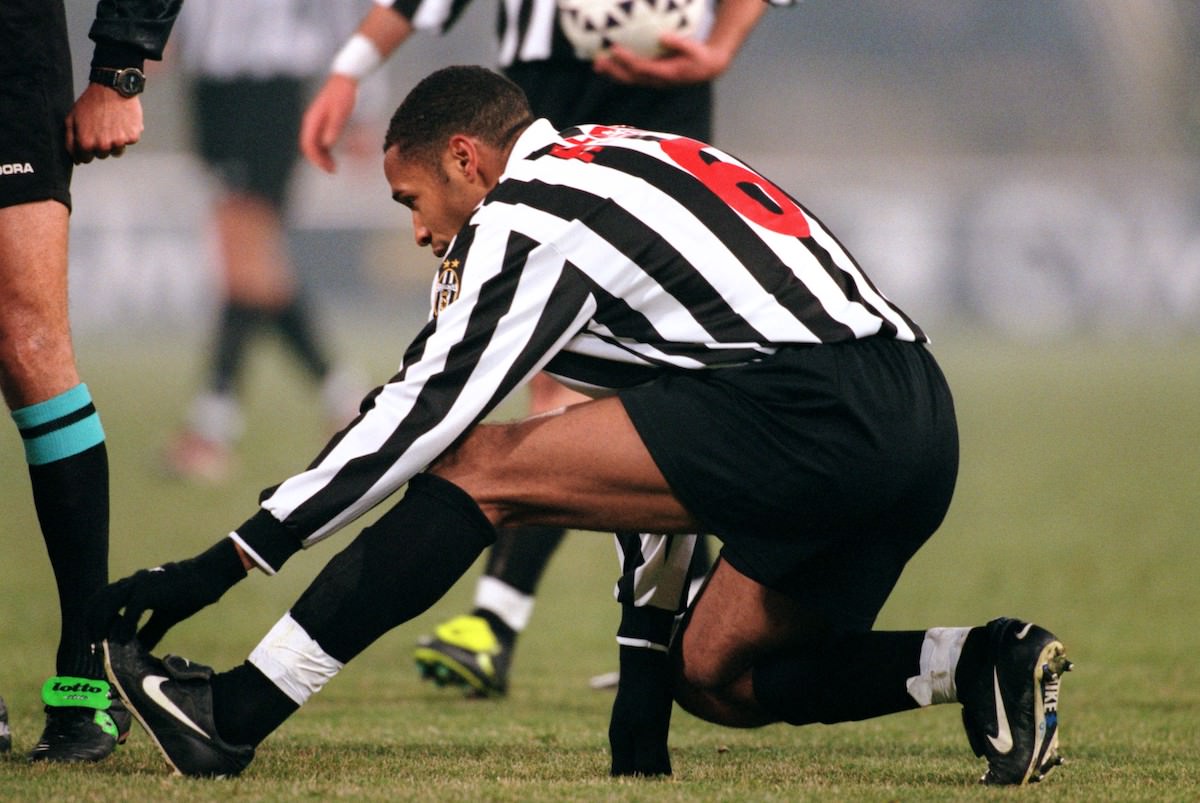
I'm sure every young footballer would have a kick around every hour of the day if they could. And yes, it is great for their physical and mental wellbeing. But how much is too much? Overtraining has been known to cause serious injury.
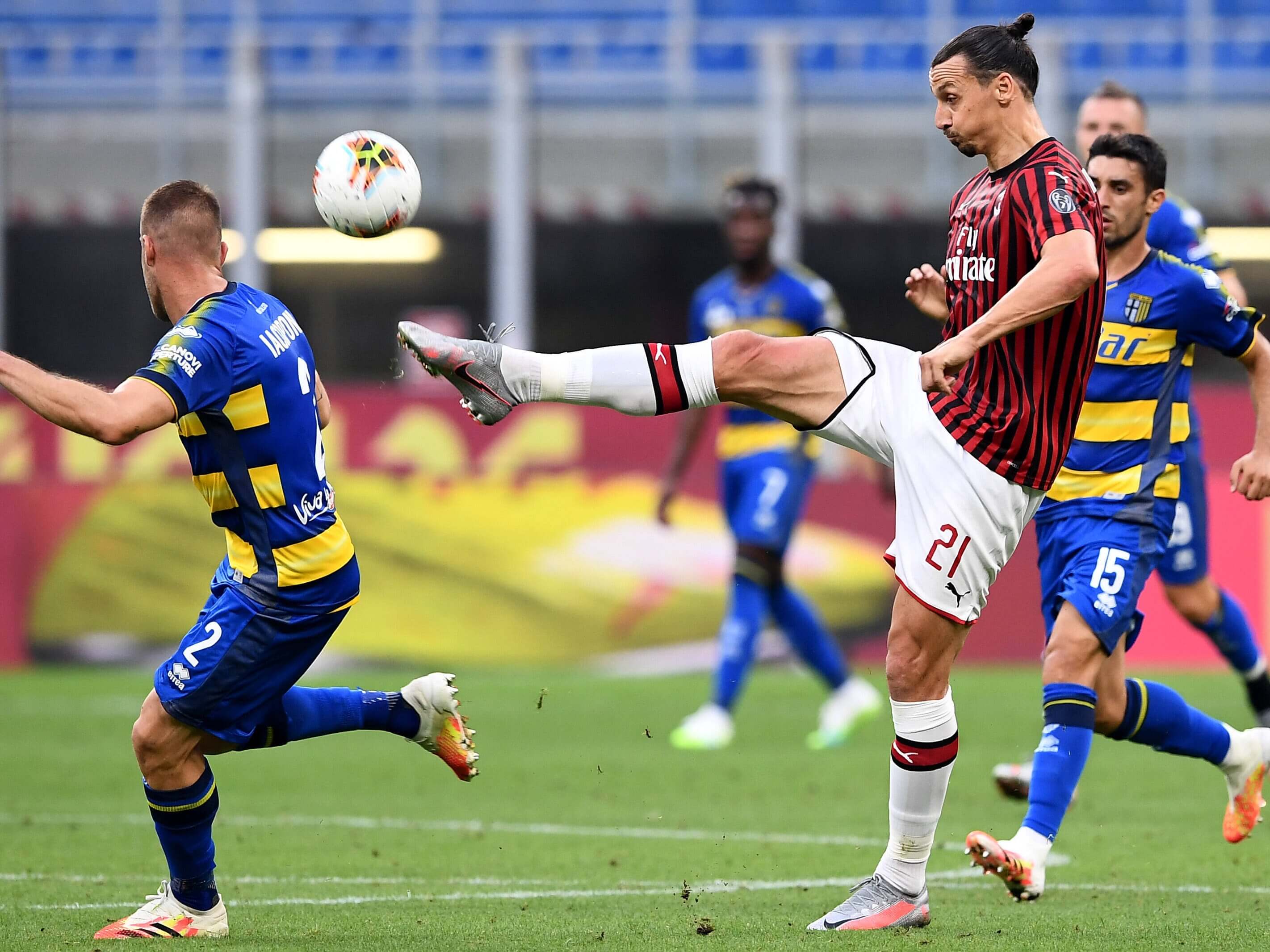
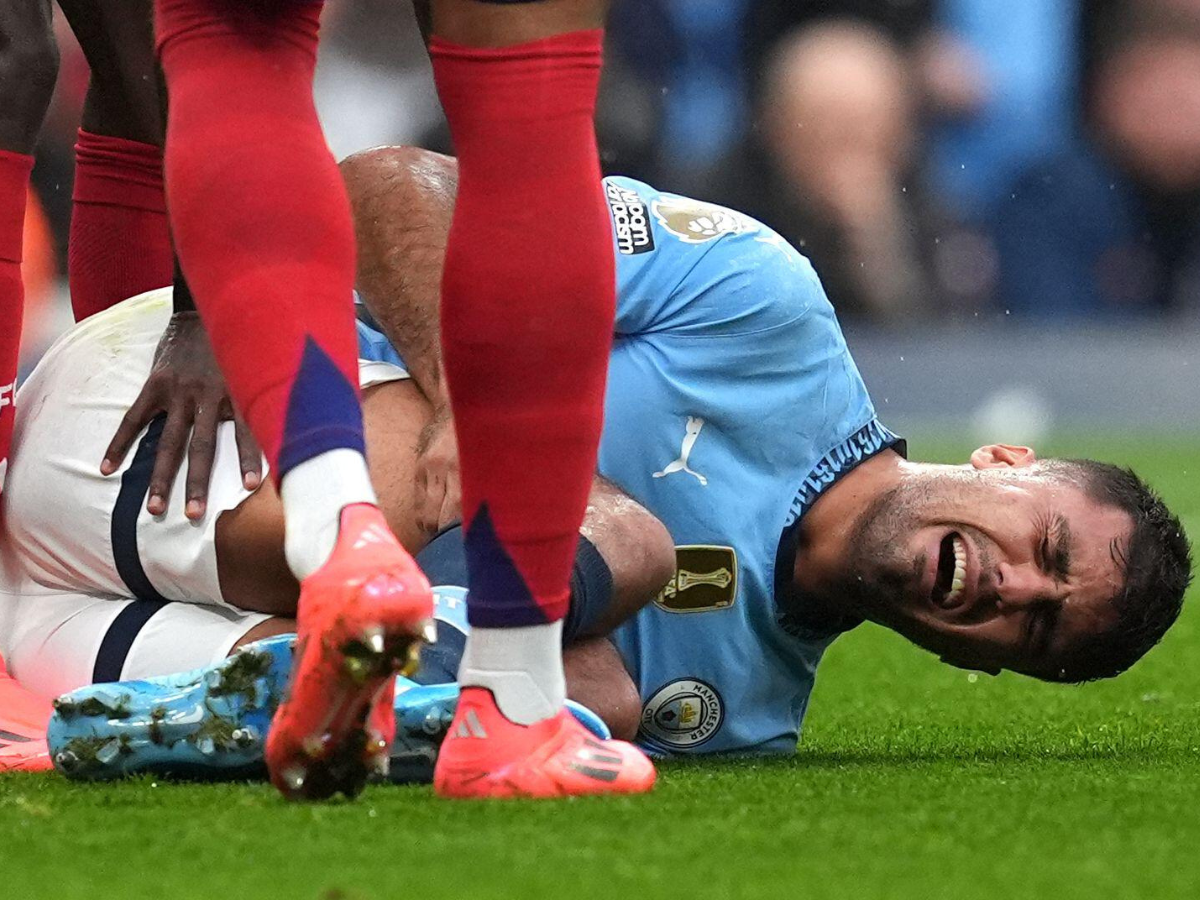
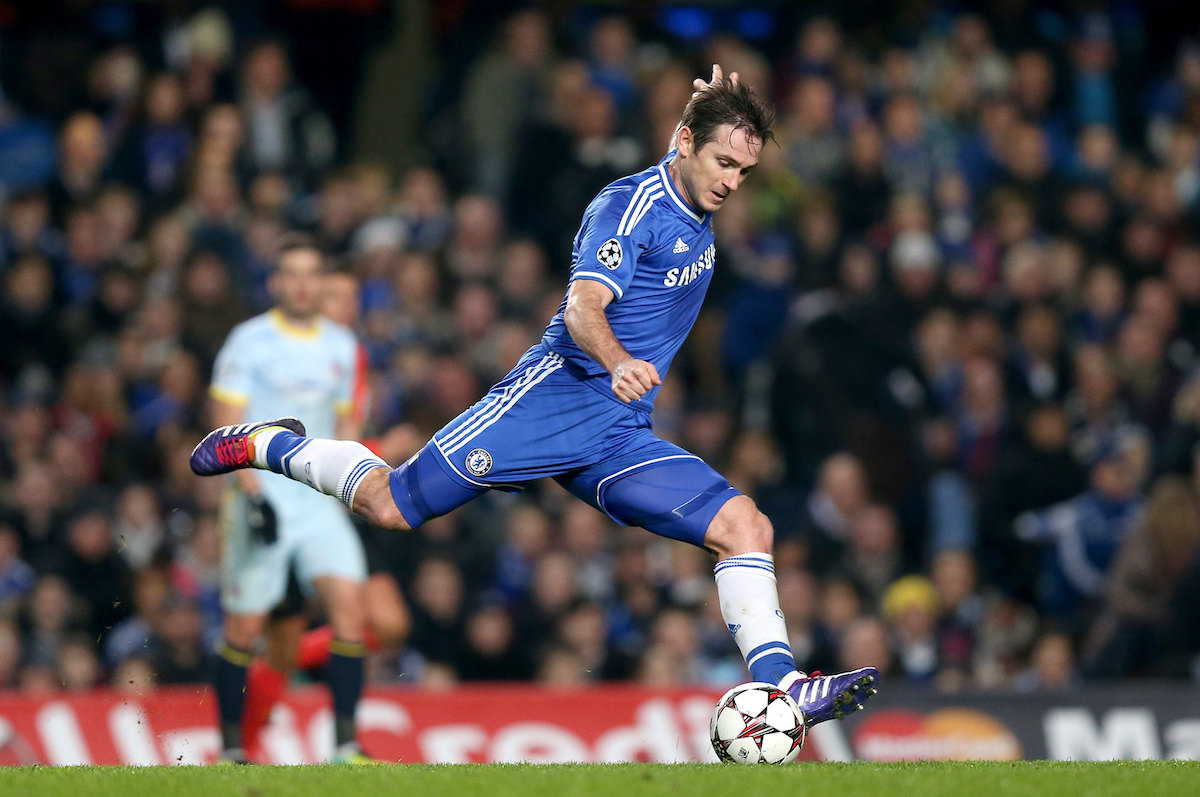
YOUTH: Overtraining youngsters can cause serious harm to their muscles and joints
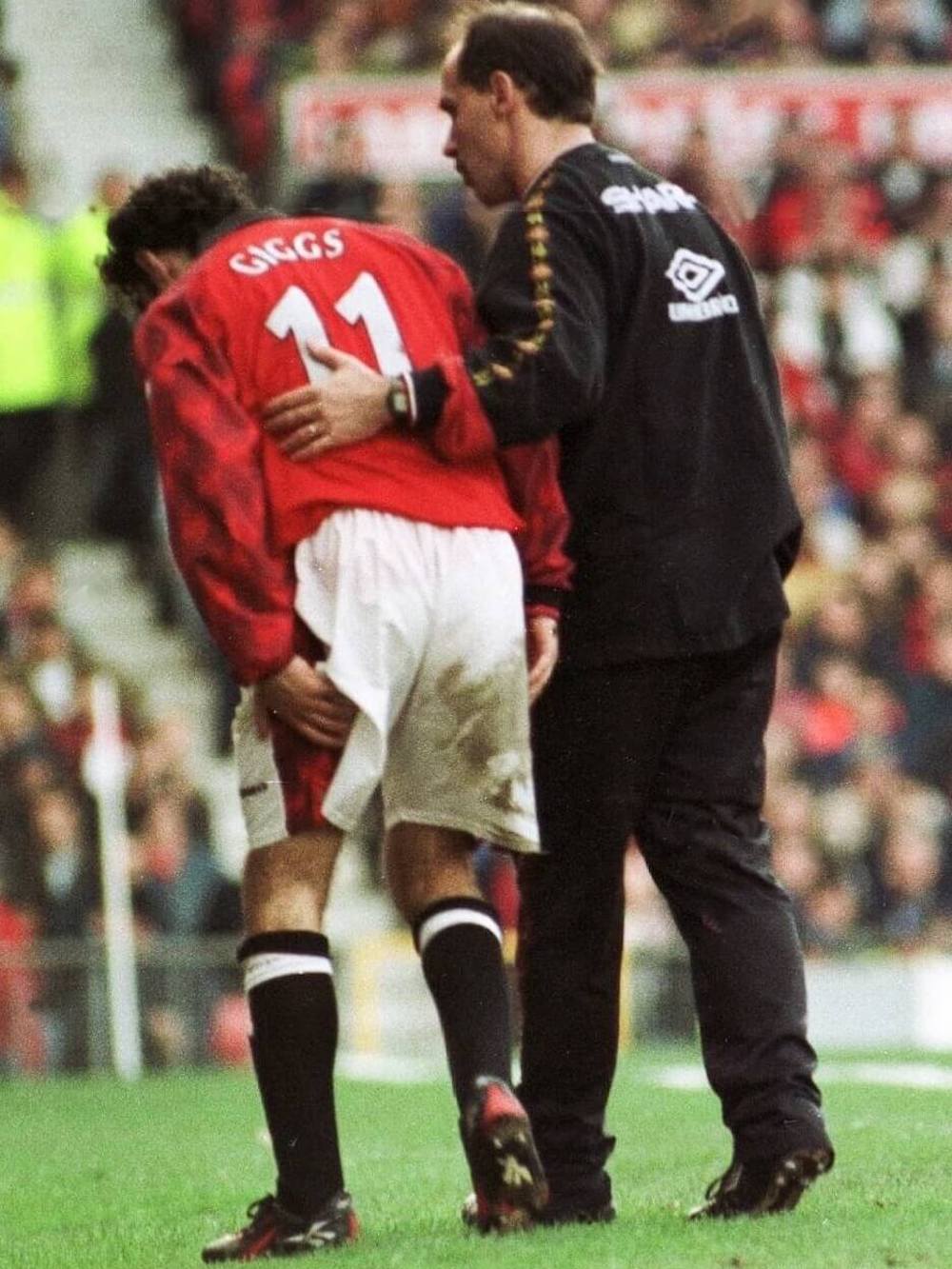
Football is great for a healthy lifestyle , and like any sport, it comes with a risk of injury. But despite the worry of a broken leg, arm or tooth, overuse injuries actually account for half of the football injuries that young players face, and the numbers are increasing.
Overuse injuries are muscle and joint injuries caused by repeated hard-working exercise. These usually come from taking on too much activity too quickly without time for recovery, training too hard, or poor technique.
They are common in footballers because of the heavy impact during a game, and the repeated movement of kicking the ball and running. Children especially are at risk because their muscles and skeleton are still developing. They often don't associate symptoms with injury either, so often don't communicate it.
Overuse injuries are even more likely in young academy footballers, due to many youngsters playing more games than they actually should.
Where do overuse injuries occur?
Out of all parts of the body, research has shown that it is, in fact, the knee that displays the most overuse problems for young players. Problems can also occur in the heel, hip or groin, and lower back.
There are many different forms of injury, but they often cause pain or swelling during or after playing football and can sometimes prevent movement.
What are the risks of overuse injuries?
The risks of overuse injury in children come down to many things. This can include characteristics of the person, including their age, gender, fitness and strength. Or it can be due to the playing surface, their experience or the weather conditions.
Osgood Schlatter's Disease
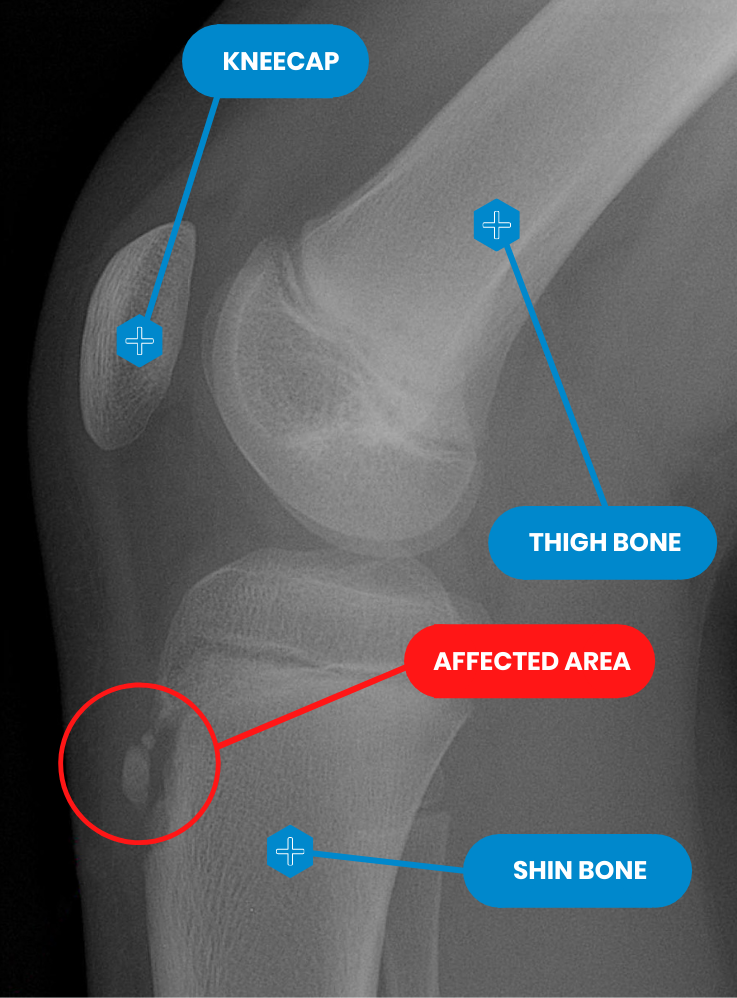
In more severe cases, knee problems from overuse can lead to something called Osgood Schlatter's Disease (OSD). Sounds scary, but actually this disease will disappear over time in children when the bones stop growing.
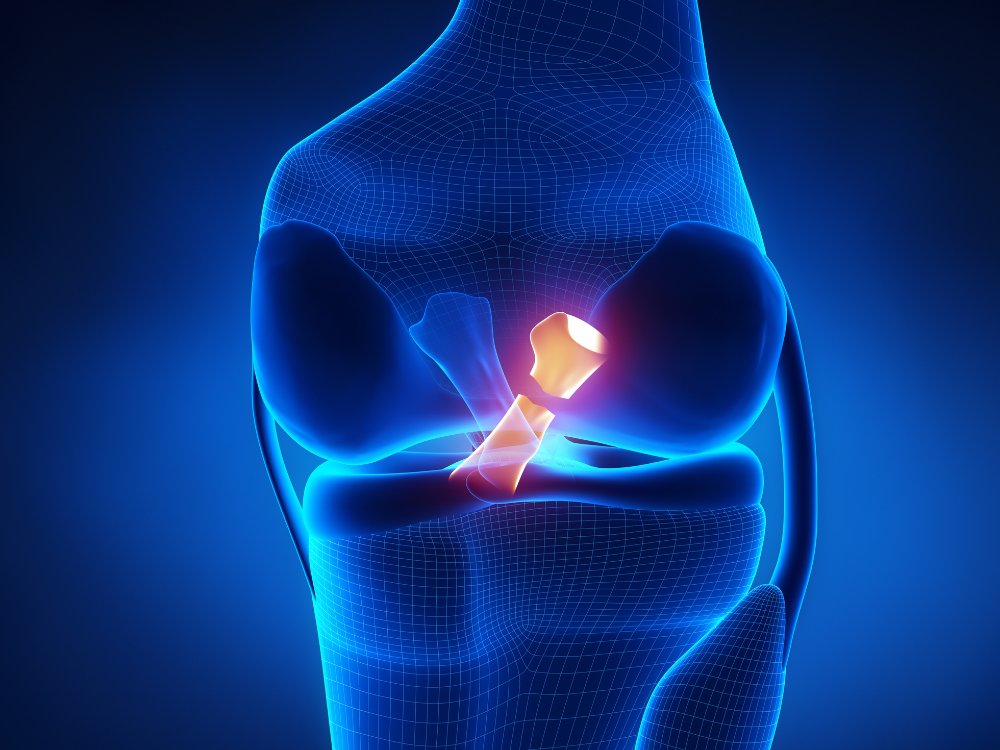
OSD is shown by swelling of the knee. It causes a painful bump which can disappear in a few weeks or months with rest.
OSGOOD SCHLATTER'S: Diagram of the knee showing where the disease occurs
Sever's Disease
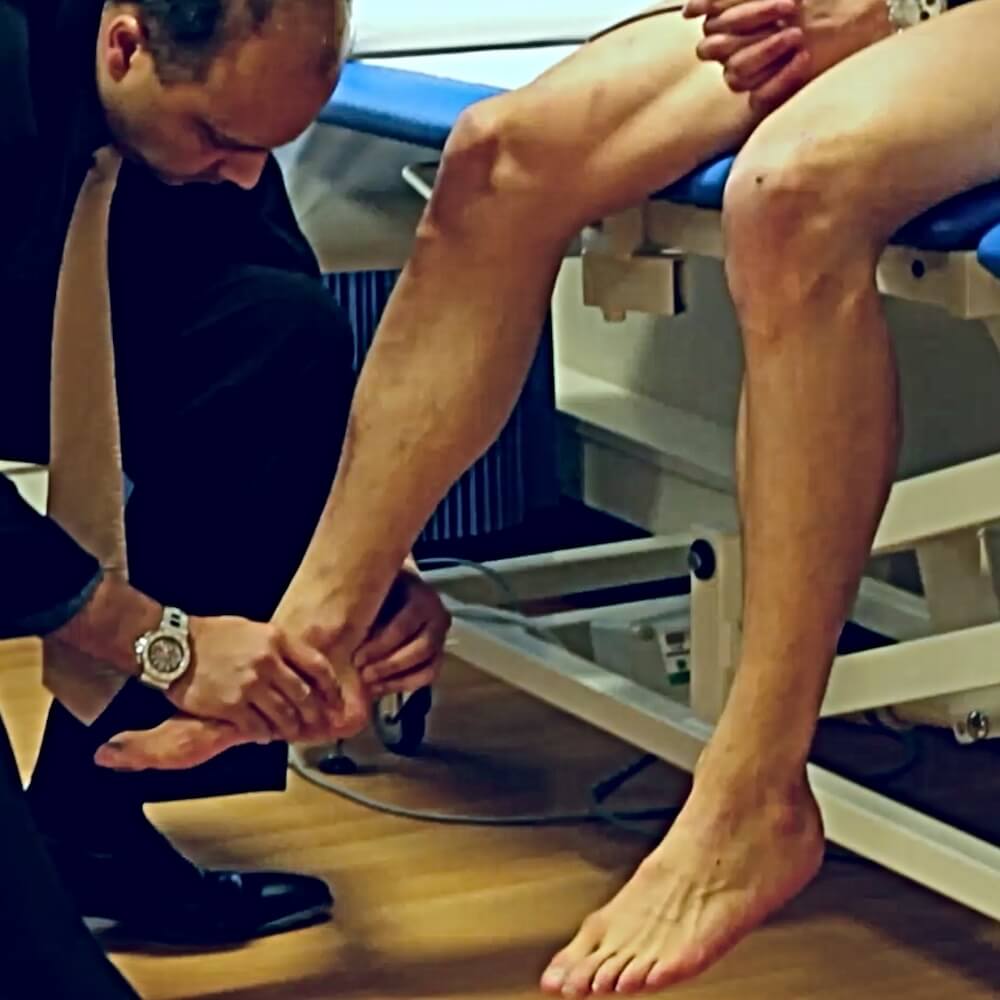
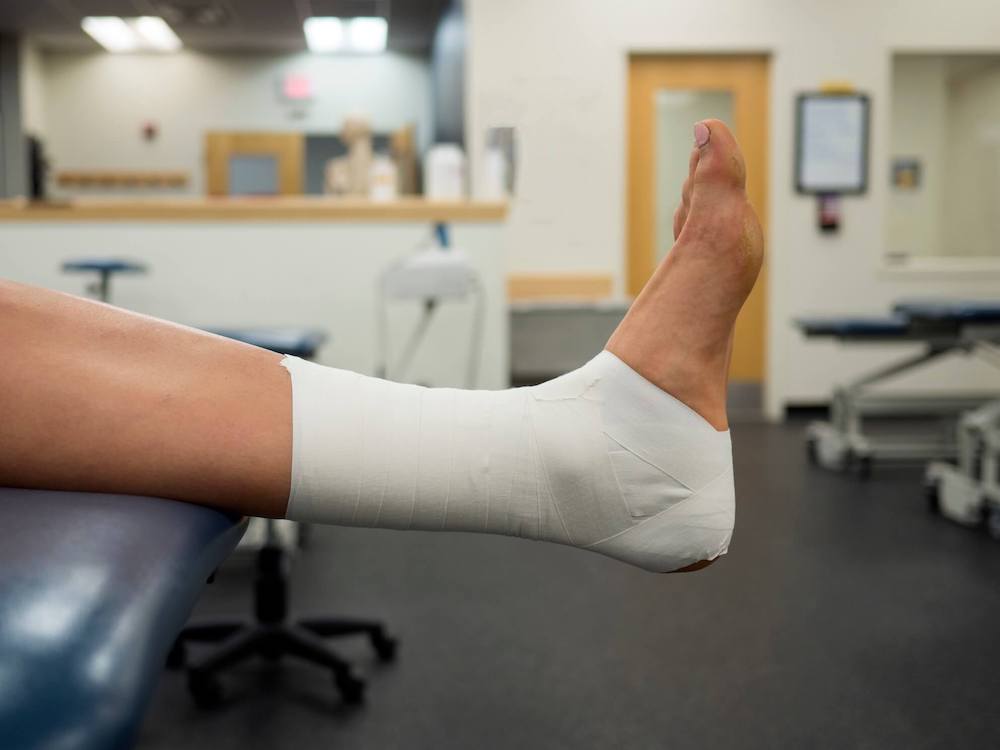
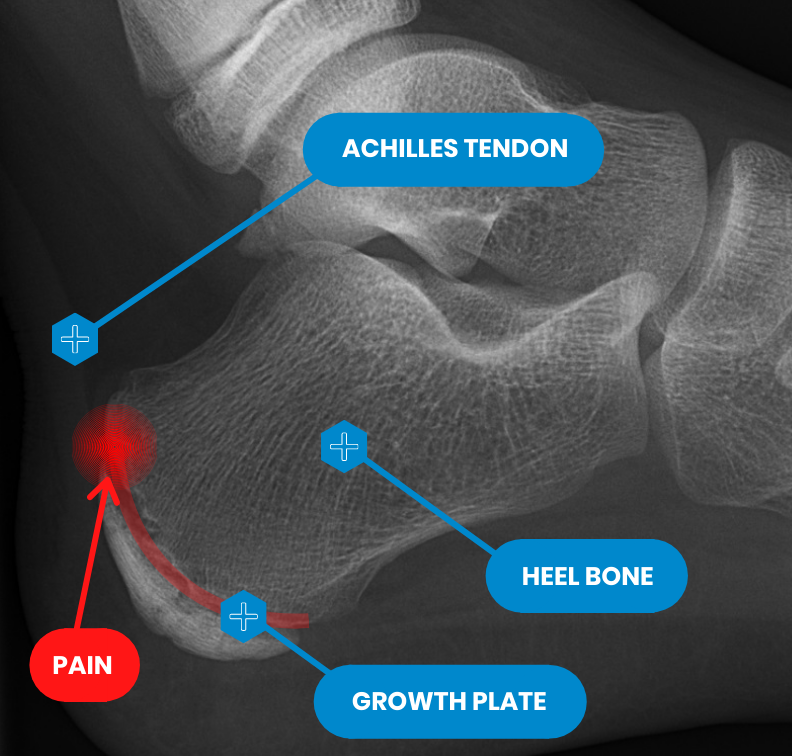
Sever's disease is an overuse disease that causes problems in the heel. Thankfully, again, this disease goes away in a few months and doesn't cause lasting problems.
It is caused by swelling and pain along the heel's growth plate, with irritation mainly at the top of the plate. When children are having a growth spurt, their muscles and bones grow at different rates. This causes the muscles to become tight, pulling this growth plate in the heel. When running and jumping whilst playing football, the muscles in the heel are pulled even more so, which can over time cause injury.
SEVER'S DISEASE: Pain occurs along the heel's growth plate
Ways that may prevent these conditions
The main solution to overuse problems in children is simple: not too much, too soon. There may be goals to reach and games to play, but rest and recovery are just as important as training if you are to prevent problems in the future.
The amount of games a child plays, and how often they can train, is also down to the individual and it can't be the same for everyone. Two children may be exactly the same age as each other, but one may have developed a lot quicker. Because of this, training schedules need to take into account the players maturity and their performance level to keep strong and healthy muscles.
Other options
Stretch before and after playing
Appropriate fitting boots
Use of compression socks
Use of insoles
Maintain a healthy and balanced diet
Overtraining can also cause psychological harm and stress. Therefore ensuring good rest and recovery after a hard session can help a player stay happy and healthy.
Final Note
Coaches and parents need to be aware of signs of overtraining and overuse injury in young players. Unfortunately, many children are pushed into training hard, but sometimes it's not always what's best for them.
Comments
Loading comments…