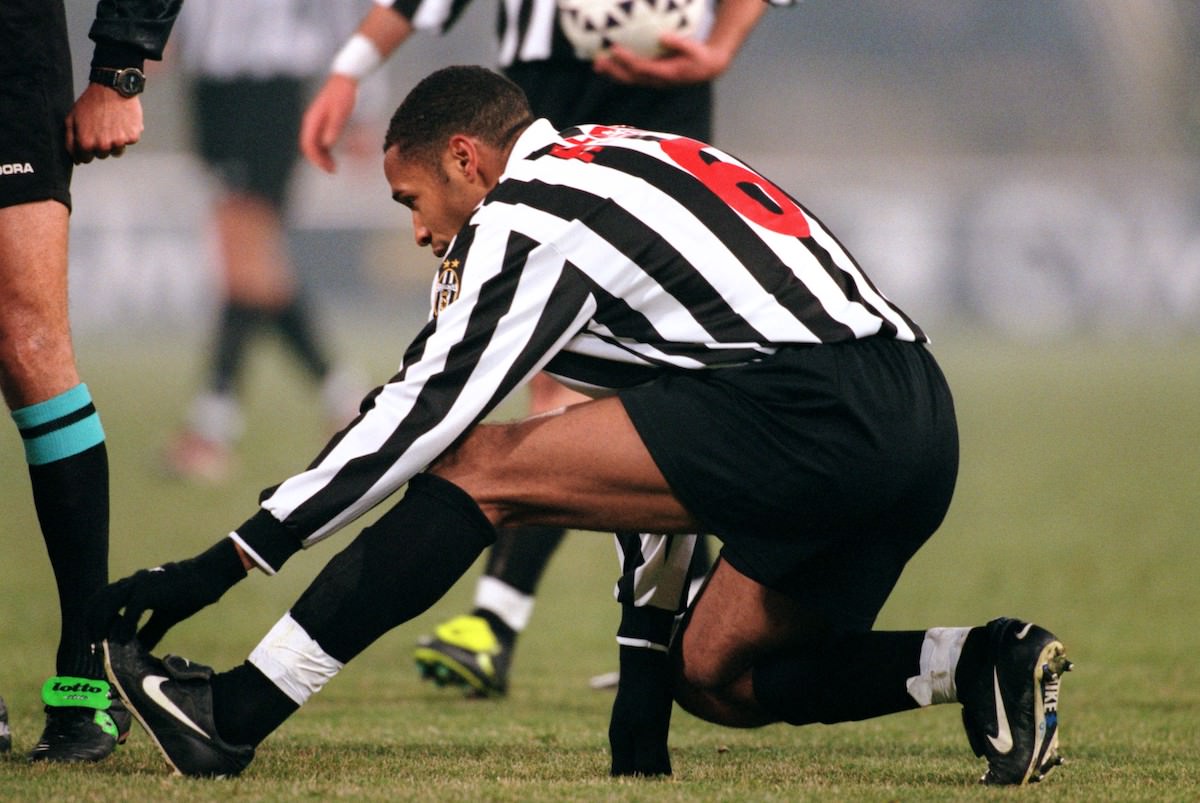
What you need to know about hamstring injuries in football
Hamstring tears & strains in footballers are common. Appropriate treatment & prevention is essential.
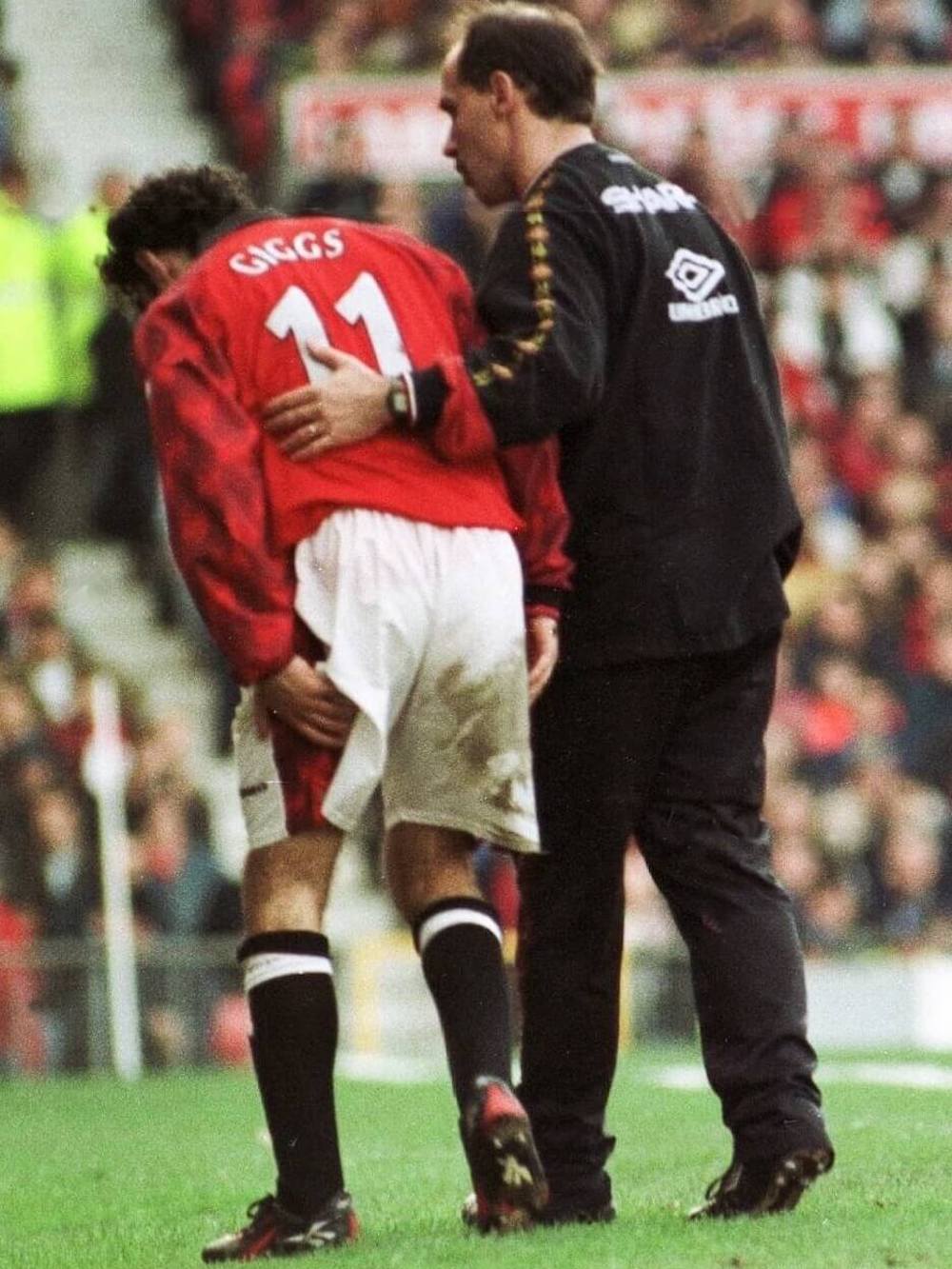
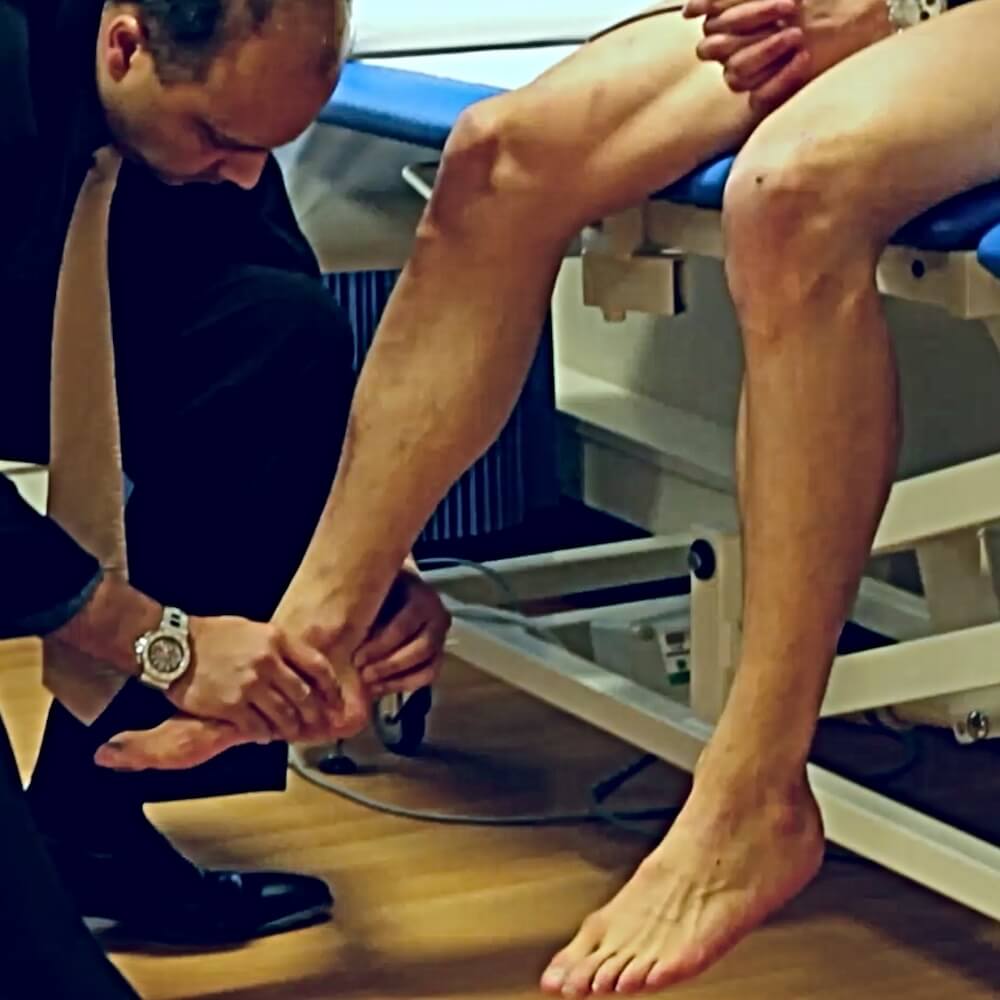
INJURED: Physios deal with pro player's hamstring problems regularly.
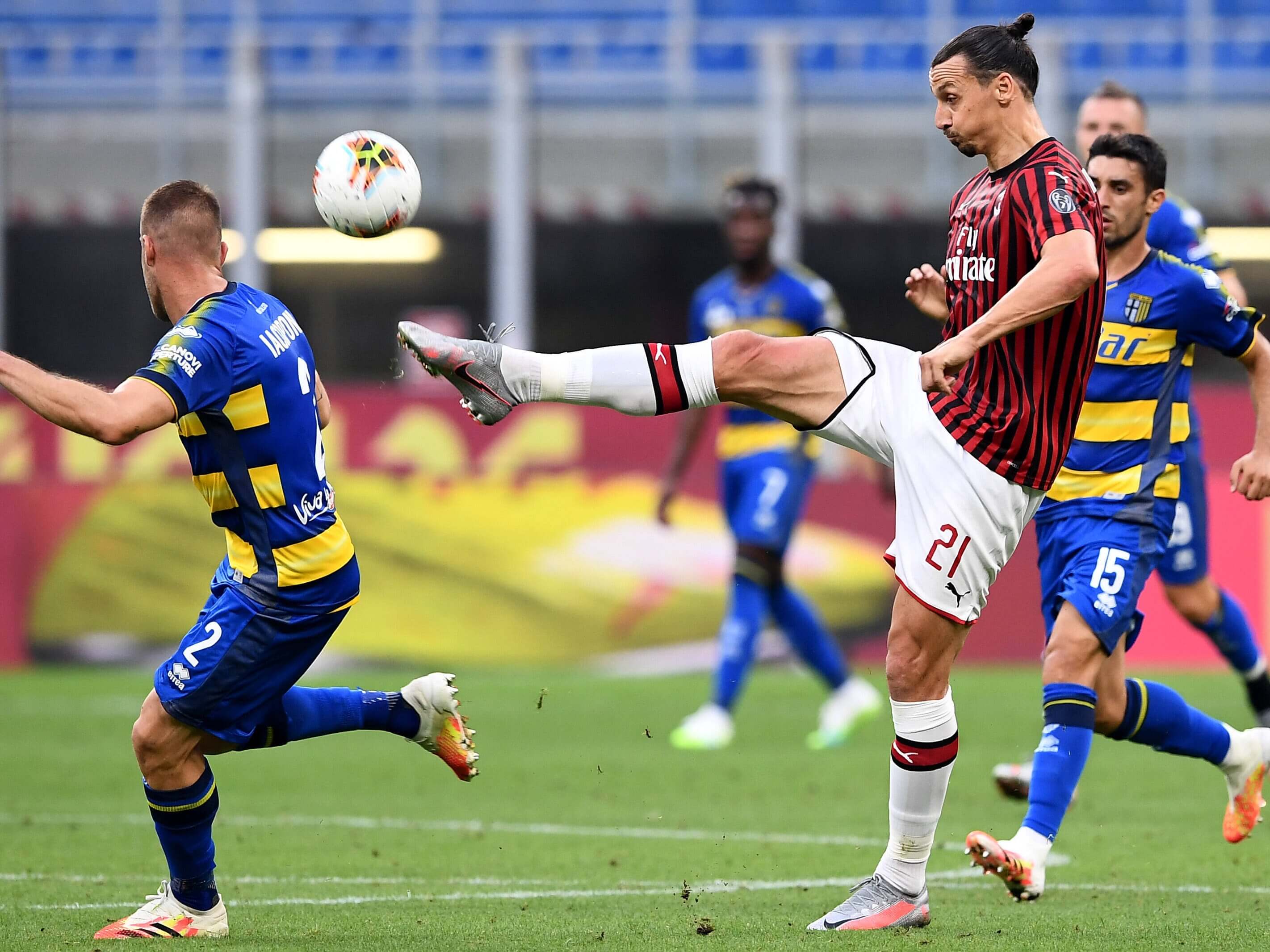
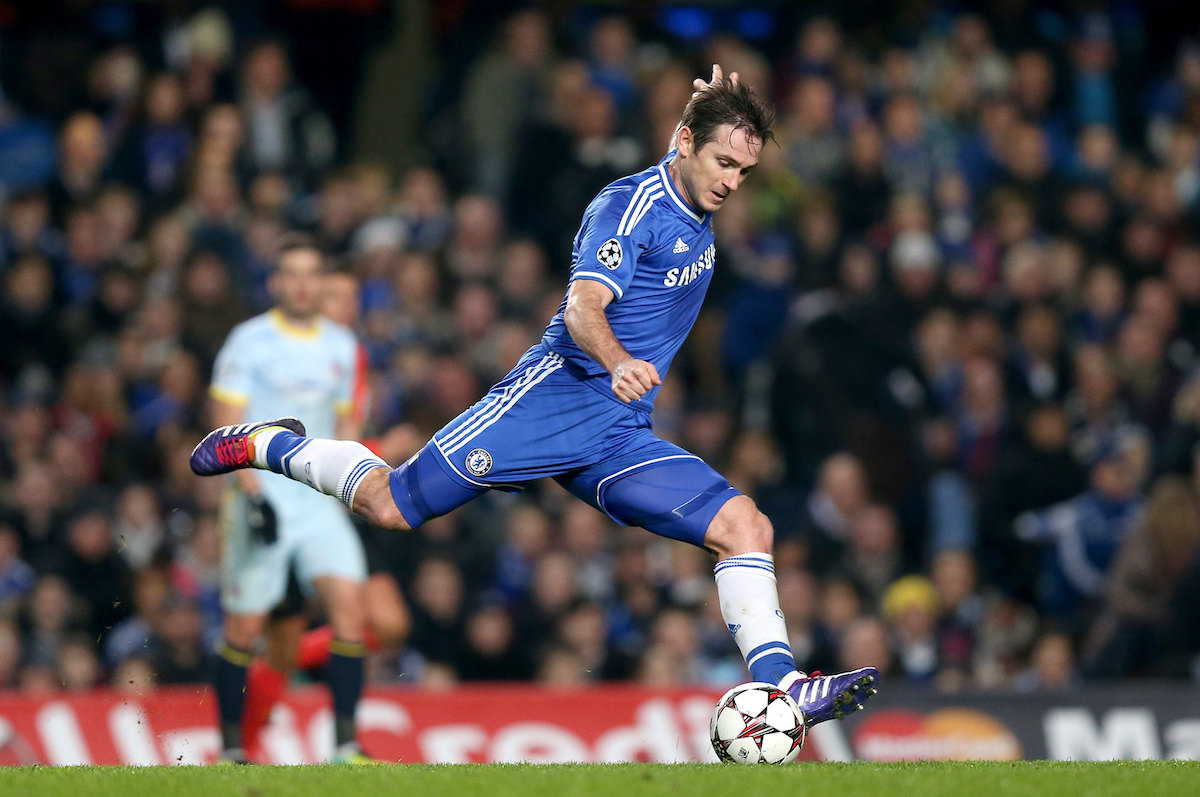
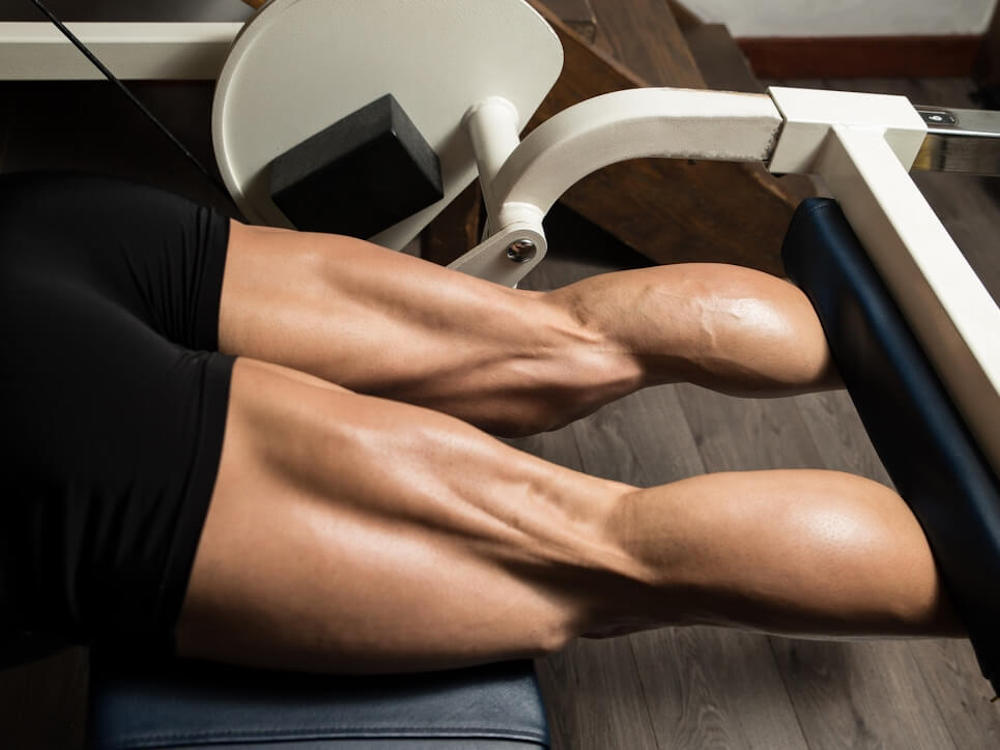
Hamstrings come in to play when footballers strike the ball, sprint or jump. They are made up of the semimembranosus, semitendinosus & biceps femoris at the back of the thigh .
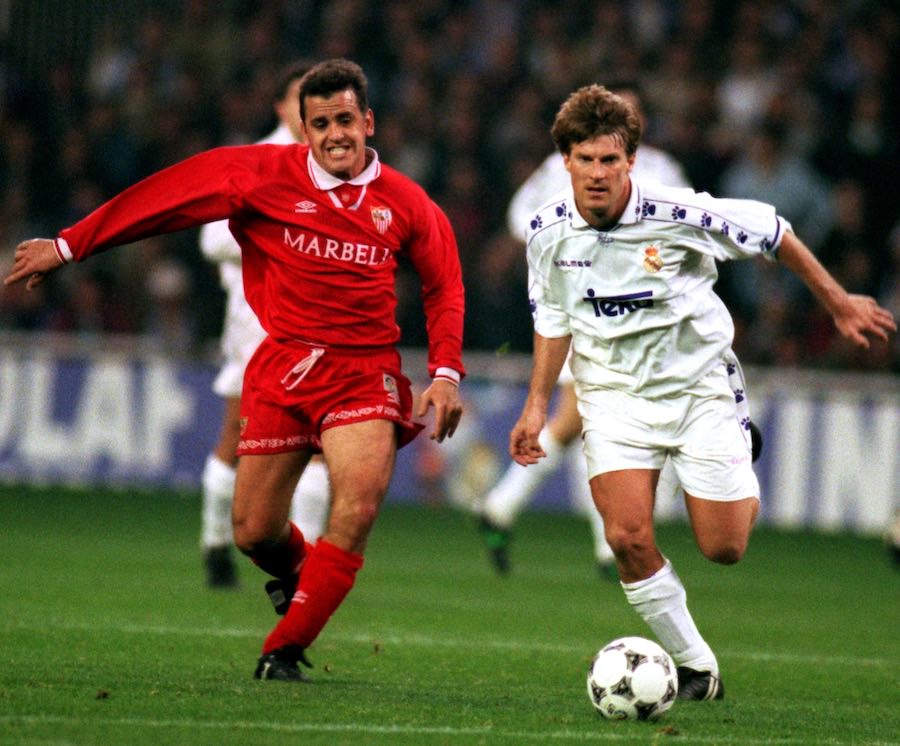
Playing football means heavy physical load. Injuries can happen. Wales manager Ryan Giggs was one of the fastest players in the Premier League in his prime. He'd perform many 20-metre explosive sprints in a game. In the early part of his career, he suffered multiple hamstring injuries. Improved training and pre-game exercises reduced this.
What is a hamstring injury?
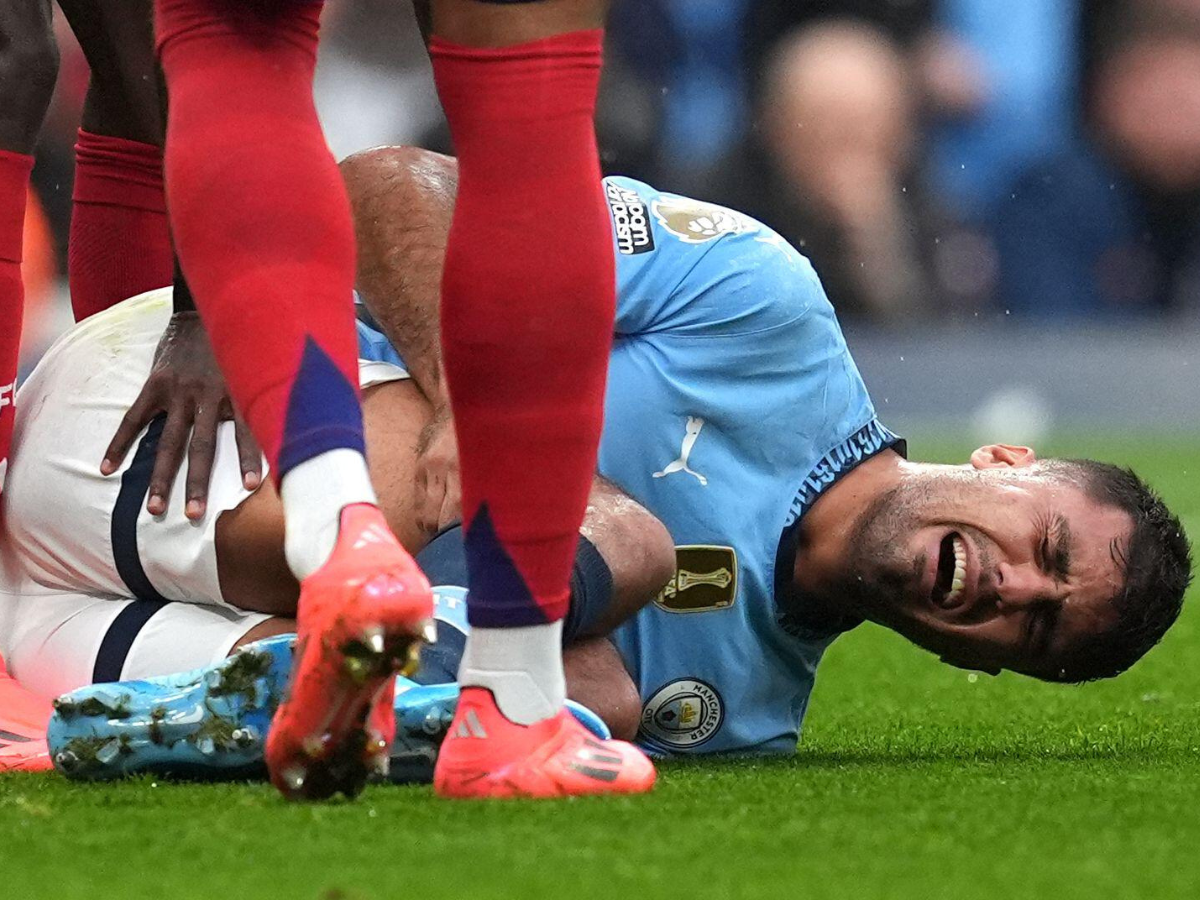
Hamstring injuries in football occur at high sprint speed when the muscles are contracting (shortening). You will see the player running, then 'pull-up', clasping the back of their leg.
The 'pulled hamstring' is the most common. The muscle is worked beyond its limits, and the tissue becomes torn.
Hamstring muscle tears are a more severe football injury. Known as a 'hamstring strain,' they are graded on levels of seriousness.
Grades of injury
First-degree: Damage to a few muscle fibres
Second-degree: Damage to more of the muscle fibres
Third-degree: Complete rupture of the whole muscle
How do you know you have a hamstring injury?
First-degree hamstring strains may not show signs until after playing. Cramp, tightness or mild pain can occur when stretching.
Second-degree strains present immediate pain, especially when stretching and contracting the muscle. They are also usually sore to touch, and leg-strength is affected.
Third-degree strains are severe injuries. They're coupled with immediate burning or stabbing pain, and a footballer may struggle to walk. The hamstring is completely torn, and a large lump may show where the tear is.
With second & third-degree injuries, bruising appears usually below the injured area.
How can footballers treat hamstring injuries?
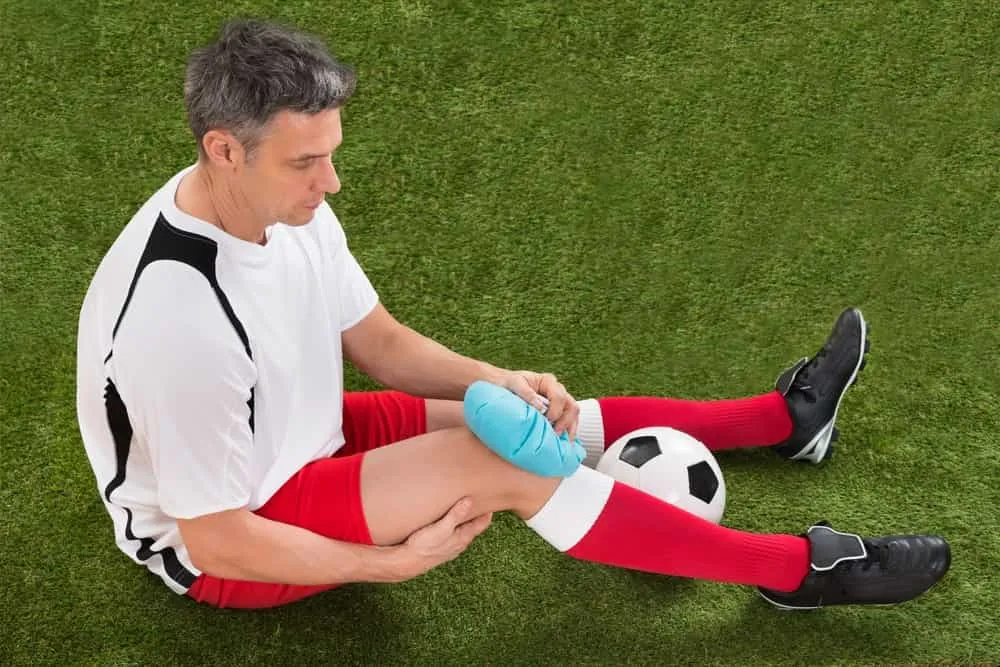
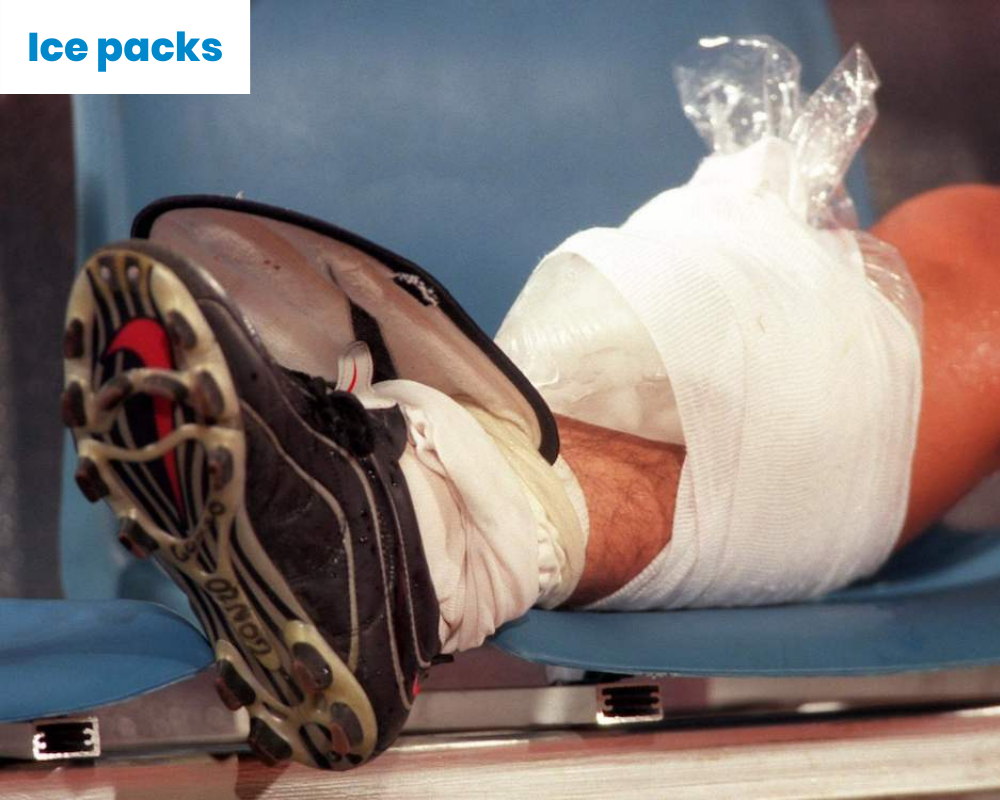
P.R.I.C.E is usually the first step to any hamstring injury . Resting is vital not to make the injury worse. Hamstring injury treatment can include advanced techniques like cryotherapy to reduce swelling.
Time out of football will depend on the grade of injury. Pro players & physios we've worked with have experienced the below recovery times.
Recovery times
First-degree: 3 weeks
Second-degree: 4-6 weeks
Third-degree: 3 months & surgery
Active rehabilitation uses gentle resistance exercises and stretching. Scar tissue is a potential problem and has to be broken down at the right time. Clubs with bigger teams of staff will have a dedicated masseur for this. Proper movements given by a physiotherapist can recover a footballer's strength.
Sets and repetitions increase over time. Core strength then begins. Core exercises can improve muscle function and reduce the risk of a new hamstring injury. The final step is a return to light activity & football.
Many footballers use compression shorts during the active rehabilitation phase. Eating well will improve recovery to match fitness .
How to prevent a hamstring injury
Players who have had hamstring strains are at higher risk of future tears if rehabilitation isn't done correctly. Better understanding by sports scientists & physios now helps players reduce repeat injuries.
Hamstring injury prevention techniques can include warming-up before matches & training. Programs such as FIFA 11+ have been successful in helping younger footballers.
Cooldowns can enhance recovery after training sessions and games, helping muscles get rid of waste products. Stretching exercises are also seen to be useful to maintain muscle health.
Having good muscle strength and flexibility can help prevent injury. Gym-based movements, SAQ Training & curved running all have their benefits.
A balanced diet can also be a factor in injury prevention. Eating meals with protein and carbohydrates powers muscles and gives players energy.
Final Note
Knowing how to treat a hamstring injury is vital to get back on the pitch. Proper injury prevention can keep you playing & on-form.

Comments
Loading comments…