How to use cryotherapy for football injuries & improved player performance
An ancient therapy used in modern football to reduce inflammation and boost recovery for pro players.
0 DEGREES C: Cryotherapy uses ice or extremely low temperatures.
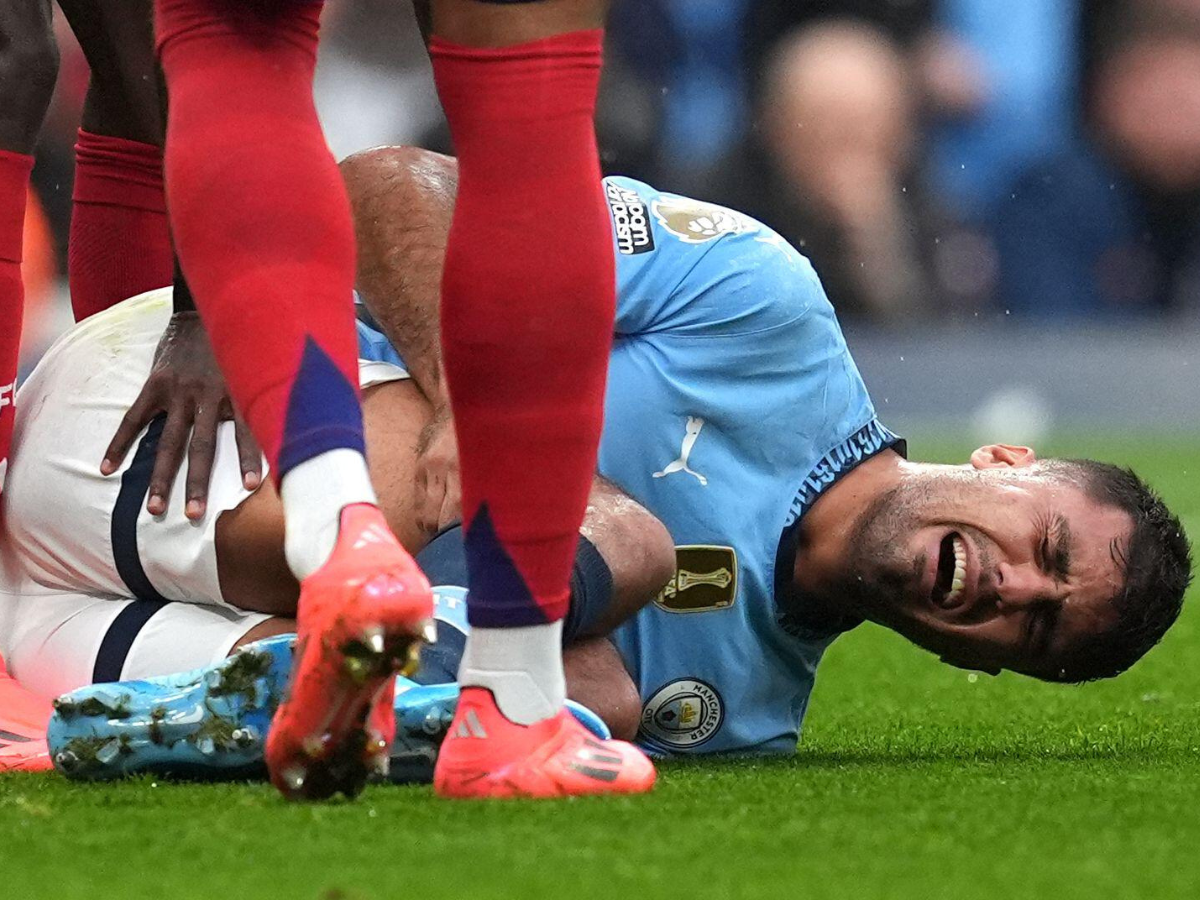
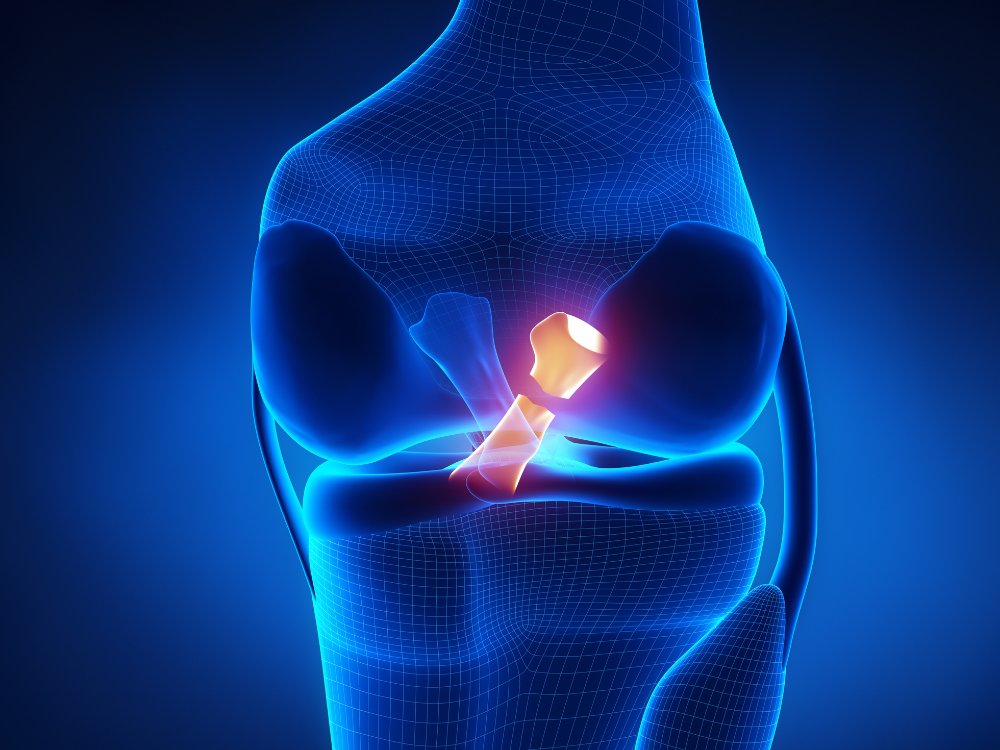
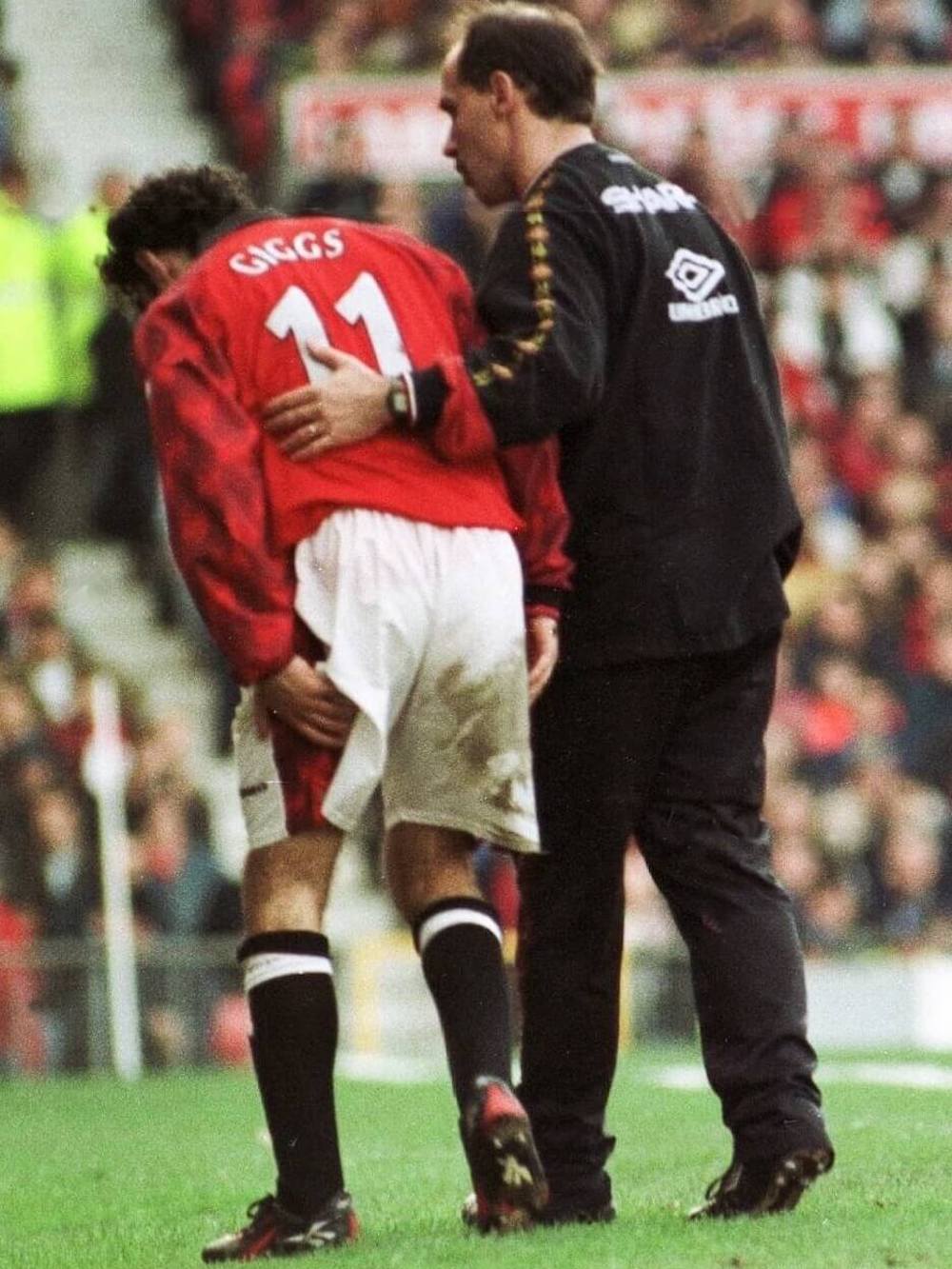
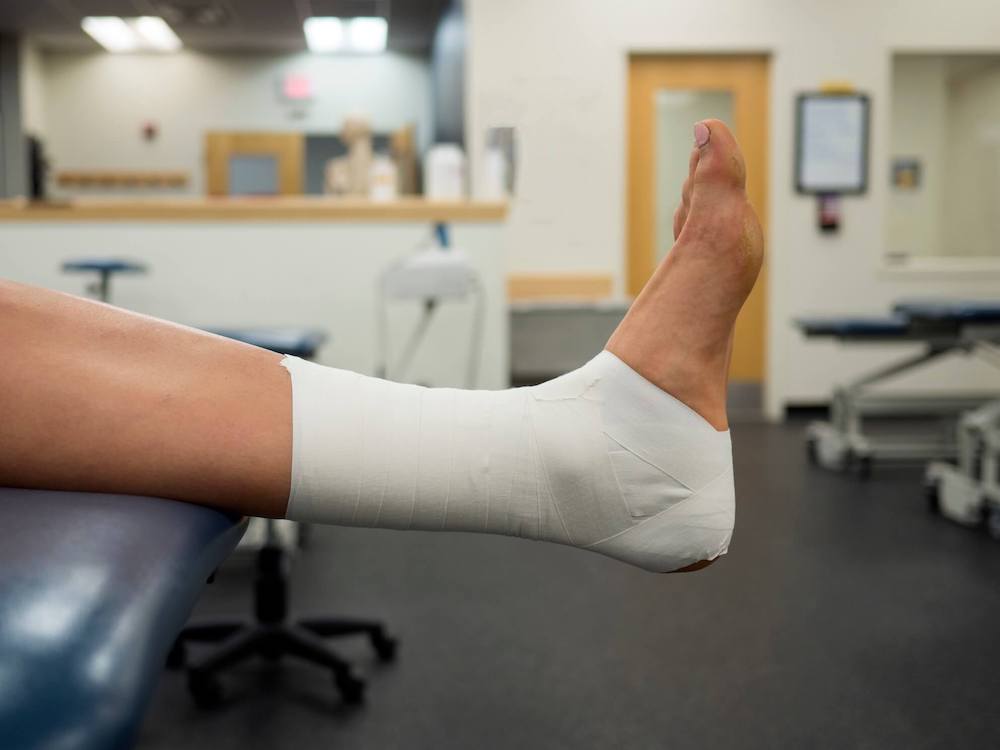
The best way to treat football injuries means looking at methods for safe and fast recovery. Common ways for players to get injured include sprains, strains and tears.
Intense training sessions or packed game schedules put player's bodies under physical stress. This increases potential ligament, tendon and muscle damage.
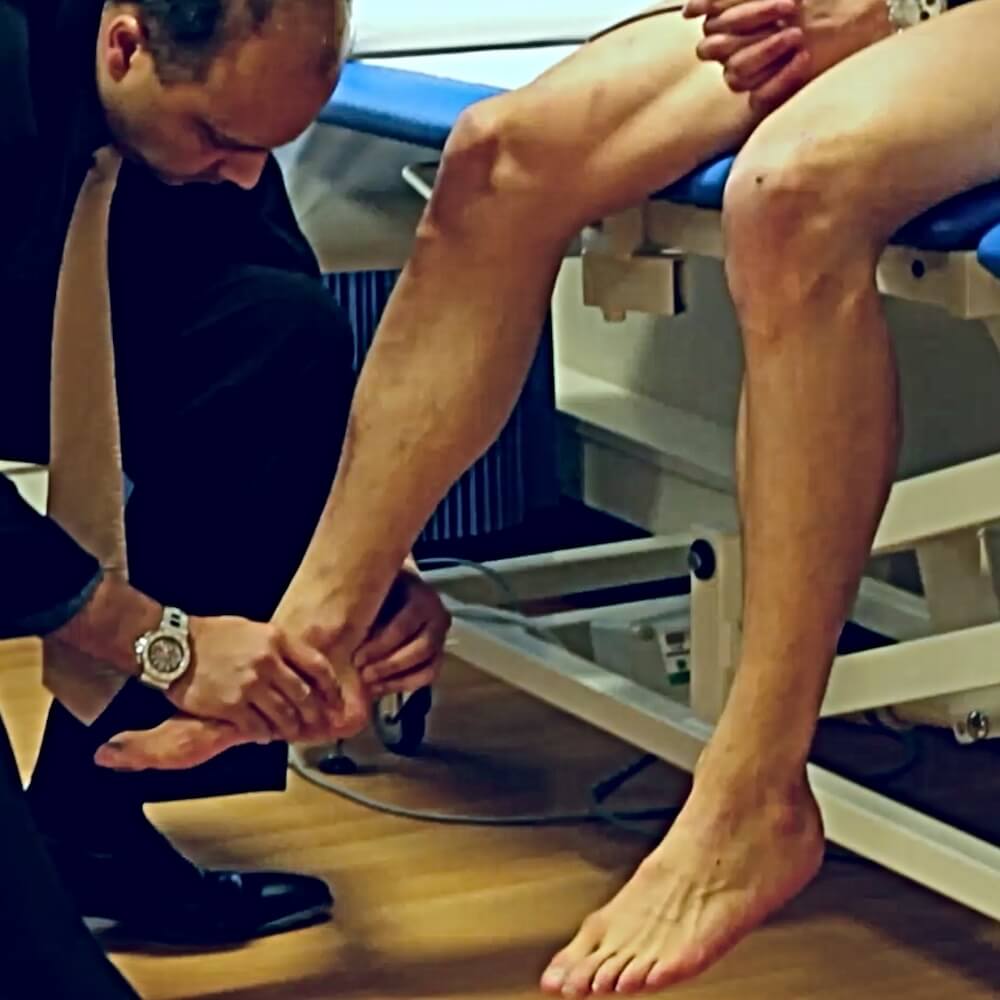
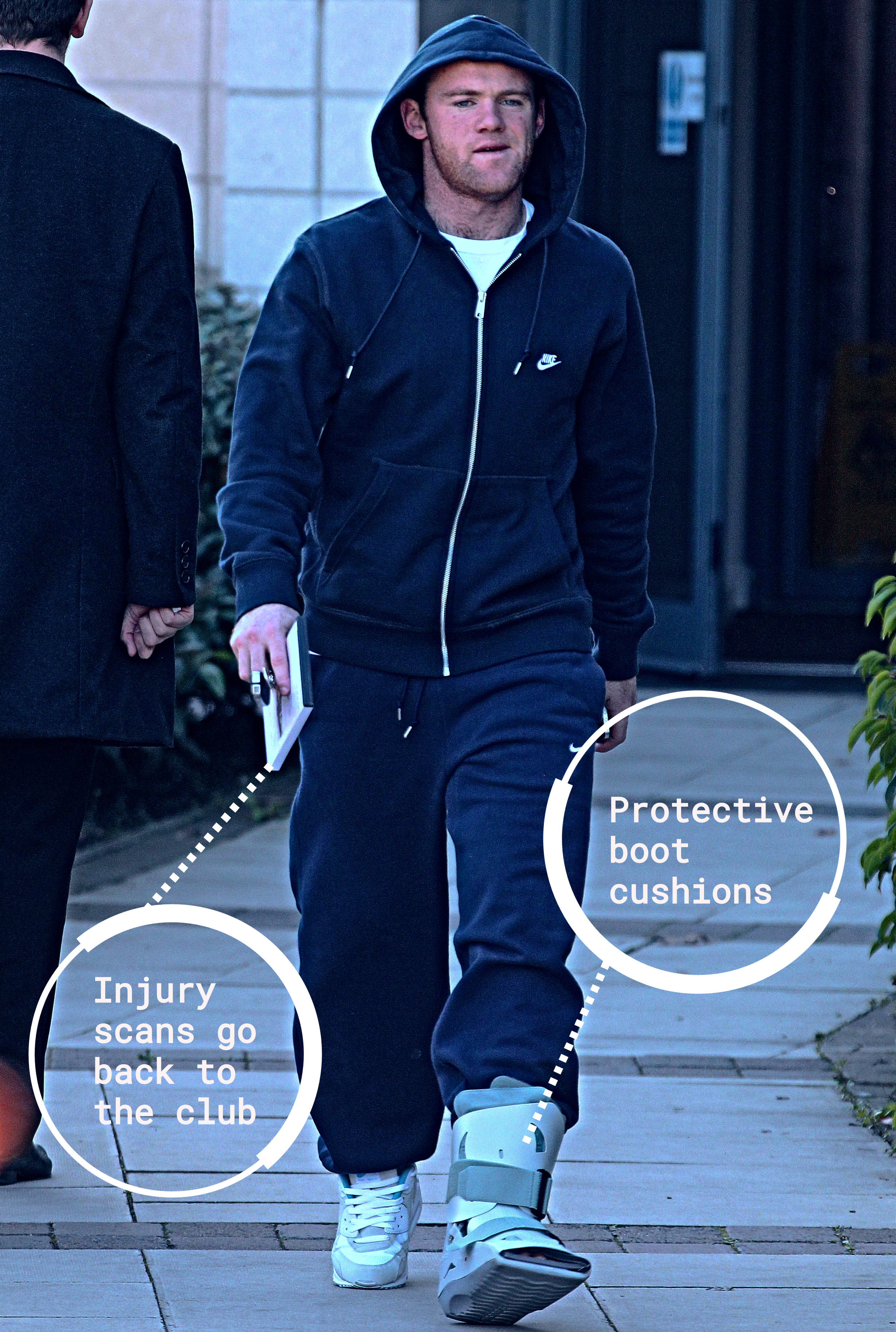
Football club physiotherapists go beyond regular first-aid procedures . They include cryotherapy strategies to deal with injuries.
Cryotherapy is a treatment that has been around since ancient times. It pulls heat away from the body. Things start to happen when body tissue temperature goes down. Blood vessels tighten, reducing the amount of available oxygen. Cell chemical reactions slow. Damage to tissue & swelling reduces. Cold numbs nerves that cause pain and helps prevent muscles spasms.
What are the types of cryotherapy?
Cryotherapy is a term for all types of cold therapy treatment. They range from simple ice packs and ice baths to complexed machines.
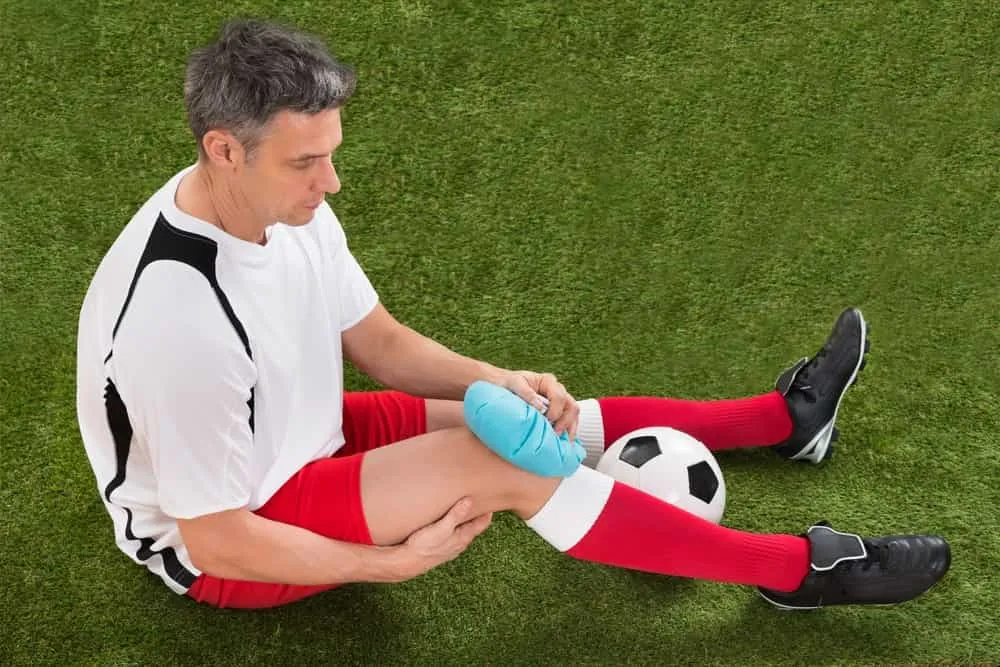
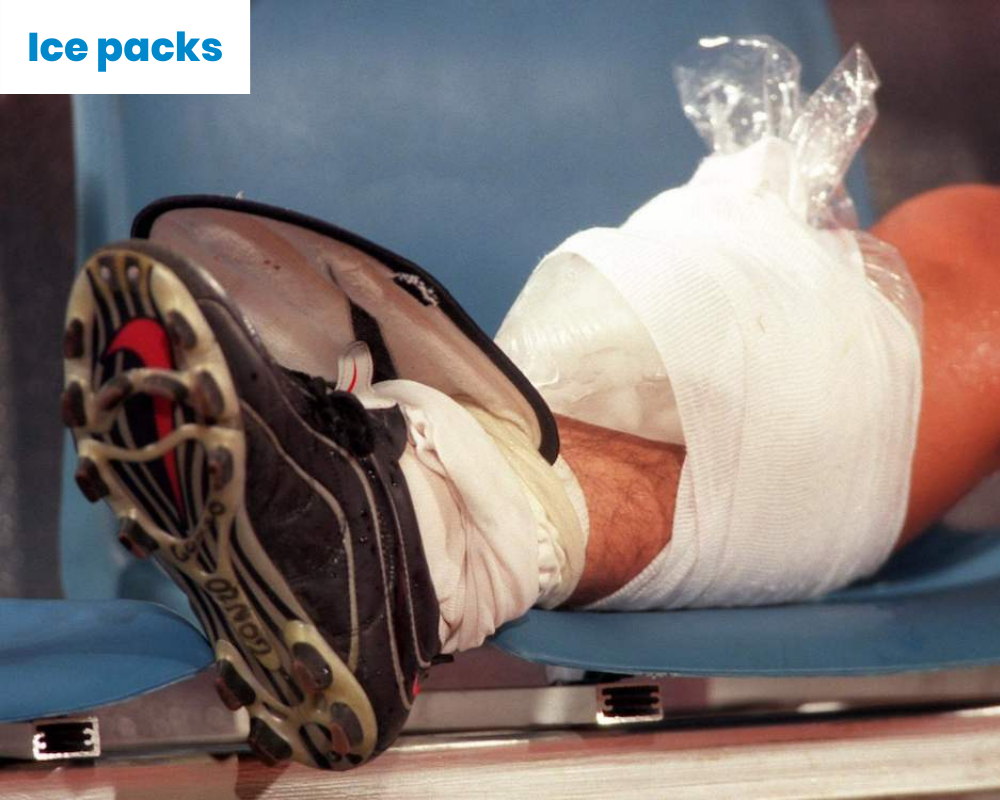
Ice packs : Gel packs, frozen peas or ice wrapped in a towel placed on the injured body part. Done for 10 minutes at a time repeated every few hours. Straight after a muscle pull or ligament sprain to reduce swelling.
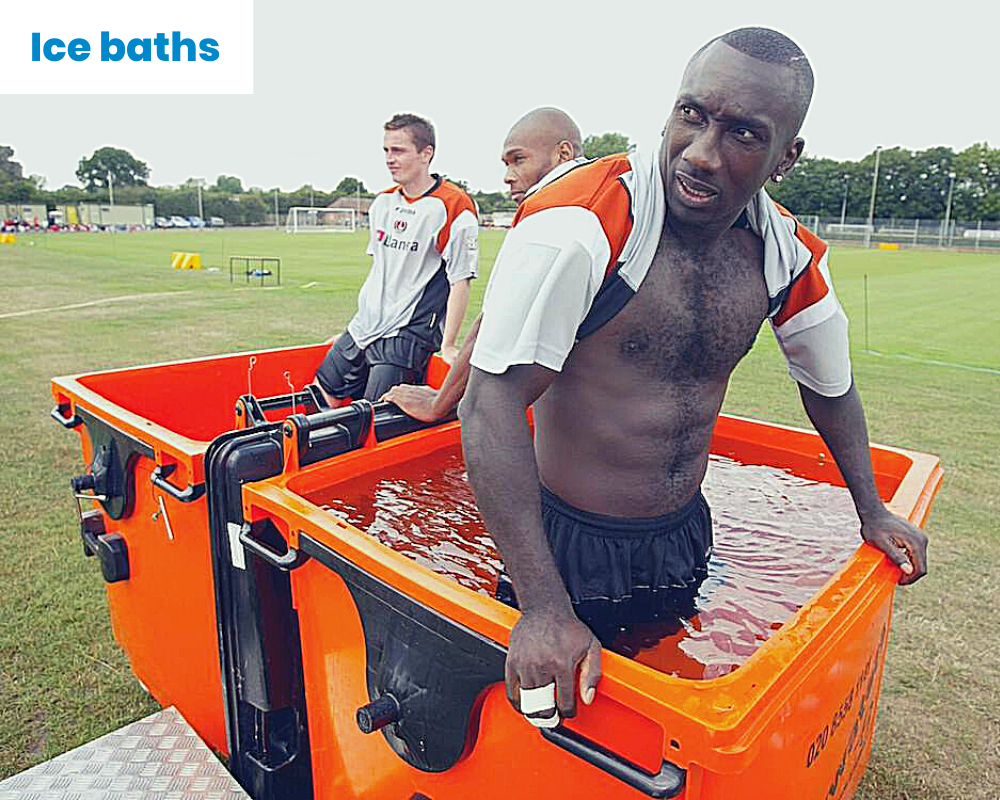
Ice baths : Players stand or sit in baths filled with ice and water. Time varies from 5 to 20 mins. Temperature is around 12 to 15°C. Done as soon as training or a game finishes. Can lessen the effect of DOMS (Delayed onset muscle soreness) & reduce inflammation.
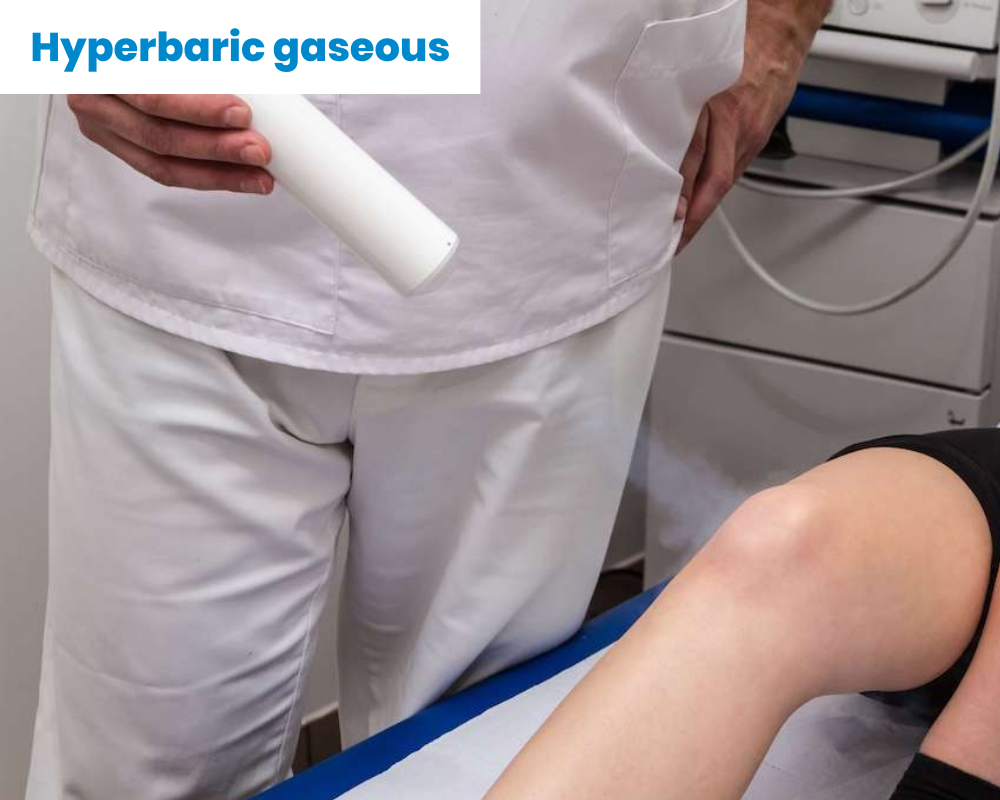
Hyperbaric gaseous : Carbon dioxide pointed at the injured area through a pressured jet. The temperature is as low as -78 °C. It's used in similar situations to icepacks. But, evidence suggests it is more effective. As nothing physical touches the skin, it's used to treat areas after surgery.
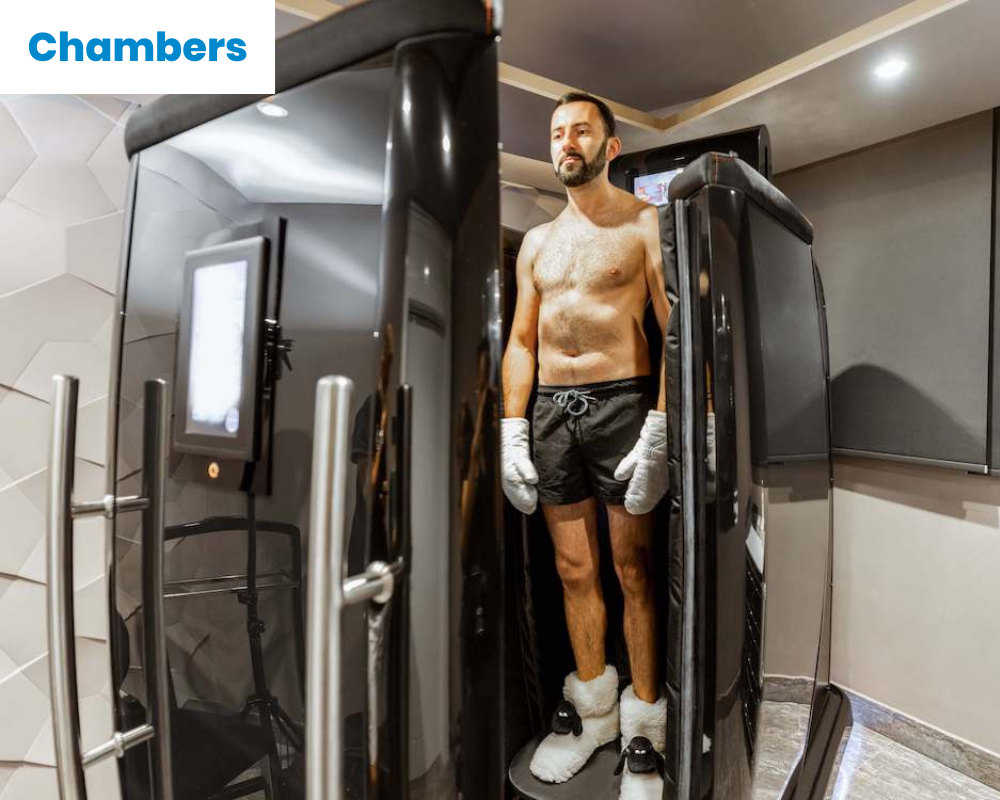
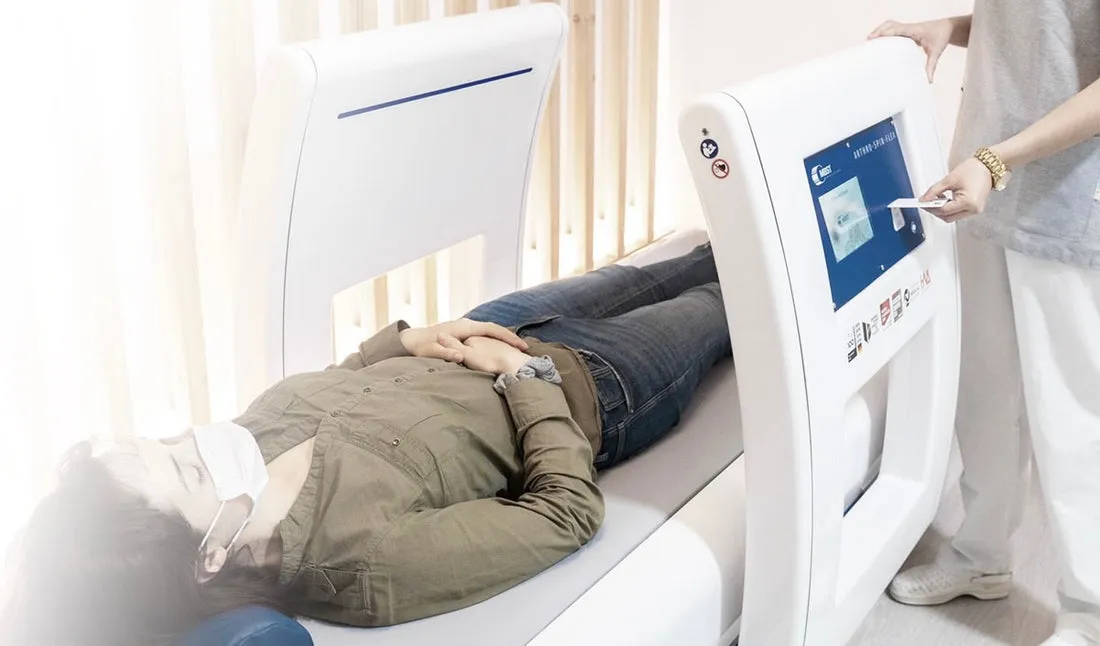
Chambers : An alternative to ice baths. Chambers cooled with liquid nitrogen between −110 °C and −140 °C. Players only go in for a few minutes. Skin surface temperature drops fast whilst core temperature doesn't. The aim is to use within an hour of finishing intense training sessions for recovery.
Cryotherapy, especially the use of Cryogenic chambers, has been successful for many pro footballers with limited time.
football4football - injury team
The aim is to:
Reduce pain
Limit inflammation
Prevent DOMS (Delayed Onset Muscle Soreness)
Lessen muscle spasms
Repair damaged cells
The considerations for a footballer
Each method of Cryotherapy has a specific purpose. Depending on what's being treated, some can be done at home. Ice packs, simple compression, and even ice baths are easy to do.
Mechanical medical equipment or chambers mean specialised facilities. Most local physiotherapy clinics are well equipped with rehabilitation devices now.
Final Note
There are tested benefits of cryotherapy treatment for footballers. With injuries that cause severe pain and inflammation, it can lessen discomfort and get players back on the pitch quicker.
Comments
Loading comments…