Why muscles at the back of the leg are important for football
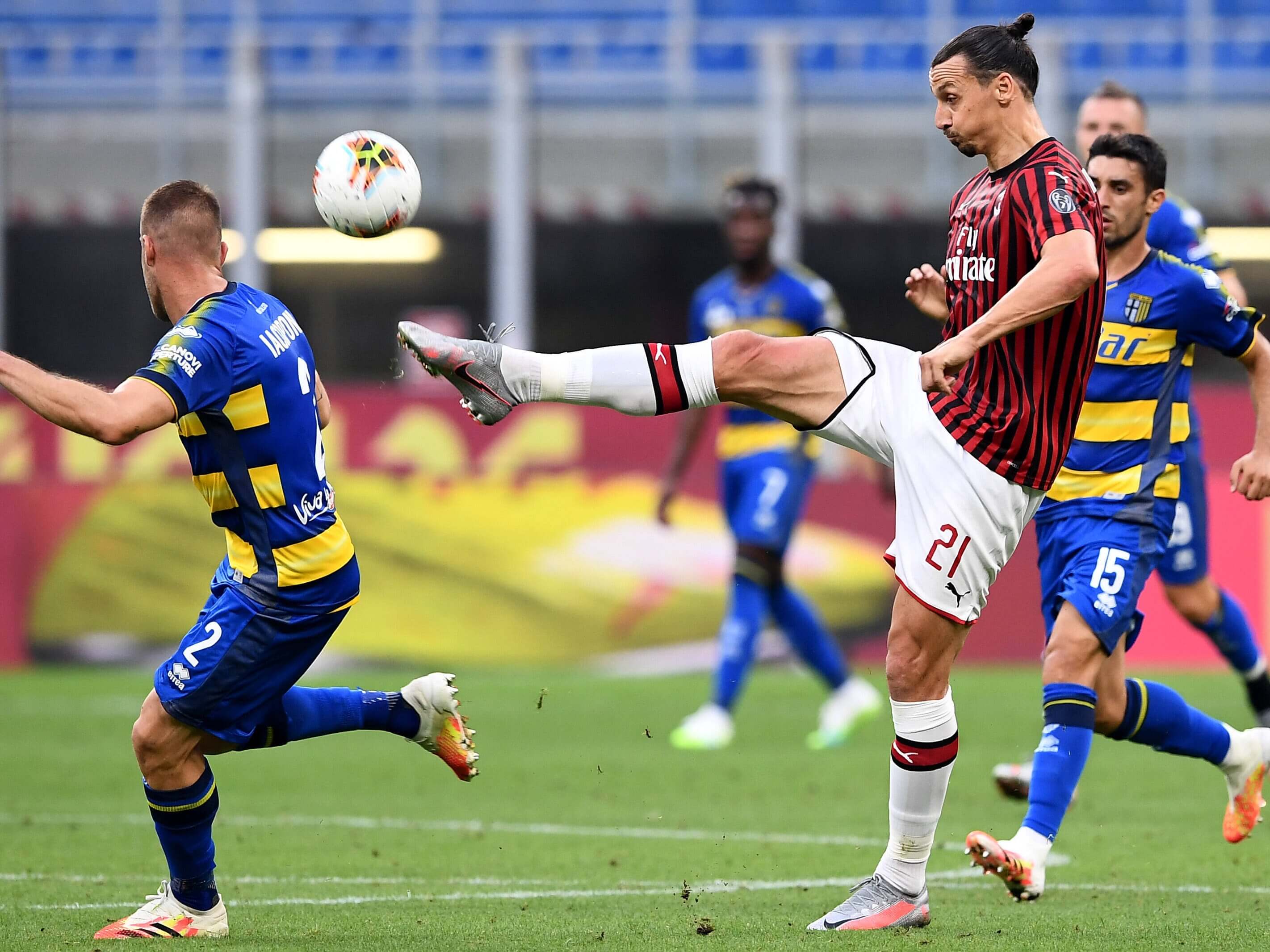
Hamstrings, Calves & Achilles tendons are used for bursts of 'power'. The leg muscles in football are needed to work for long periods.
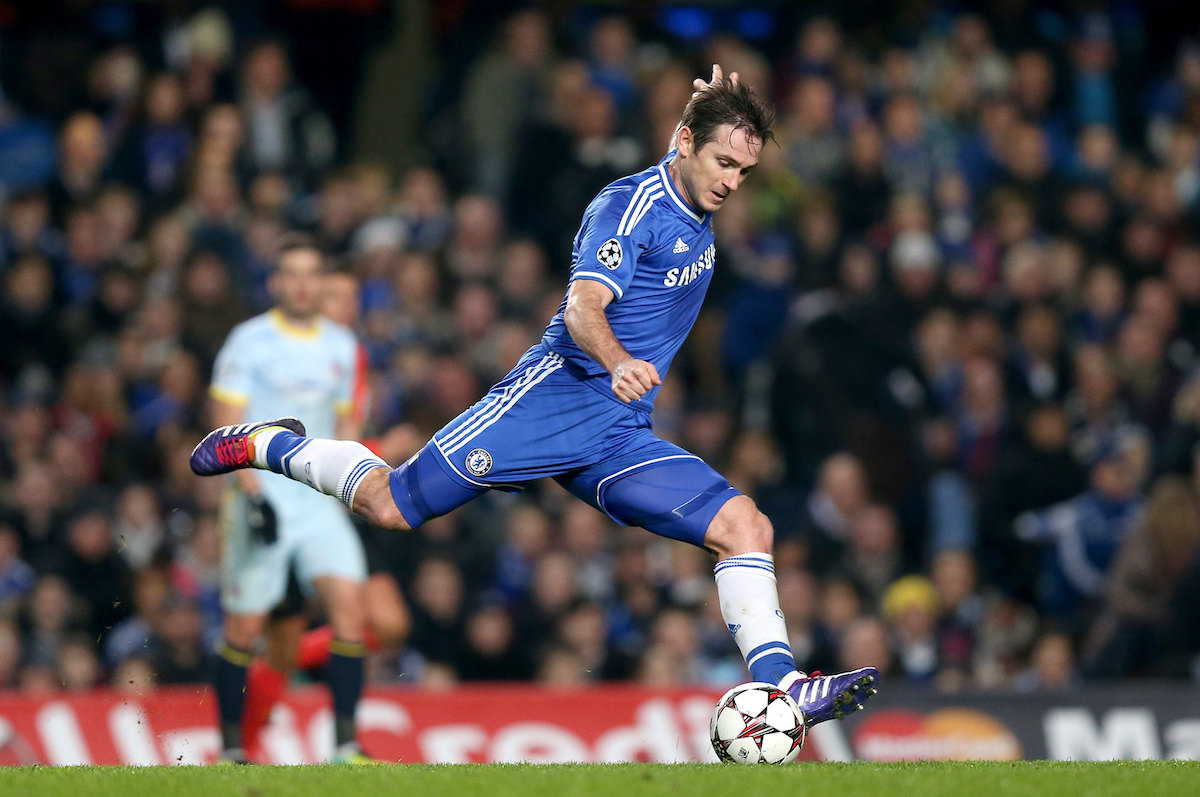
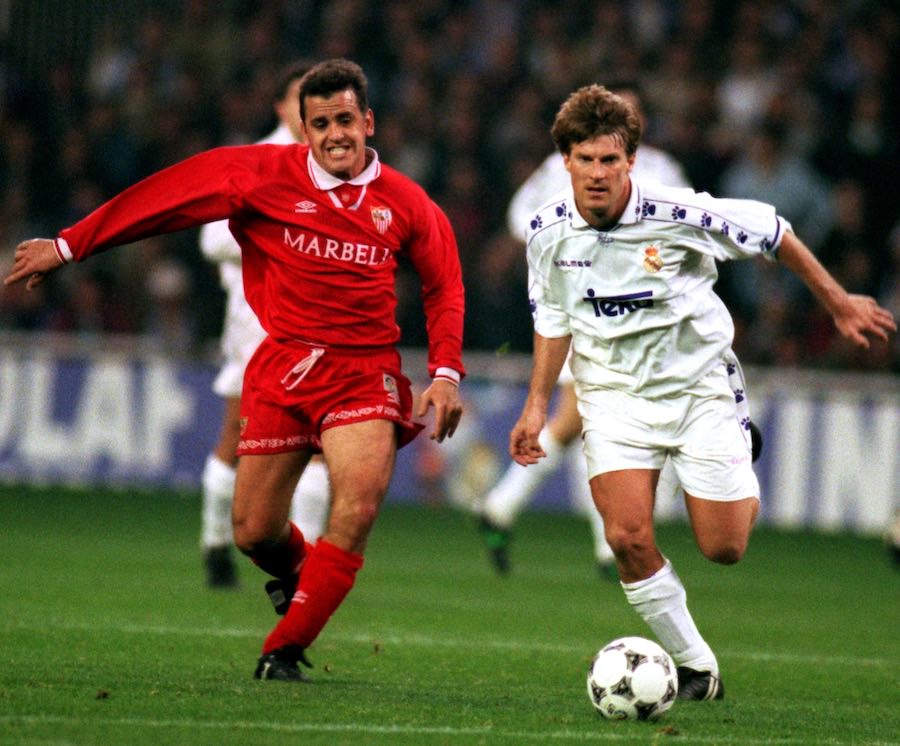
SPRINT TRAINING: Leg power is essential for top level football
The muscles at the back of the leg support, balance, and propel the body; without them, or if injured, footballers cannot play their game at maximum levels.
The role
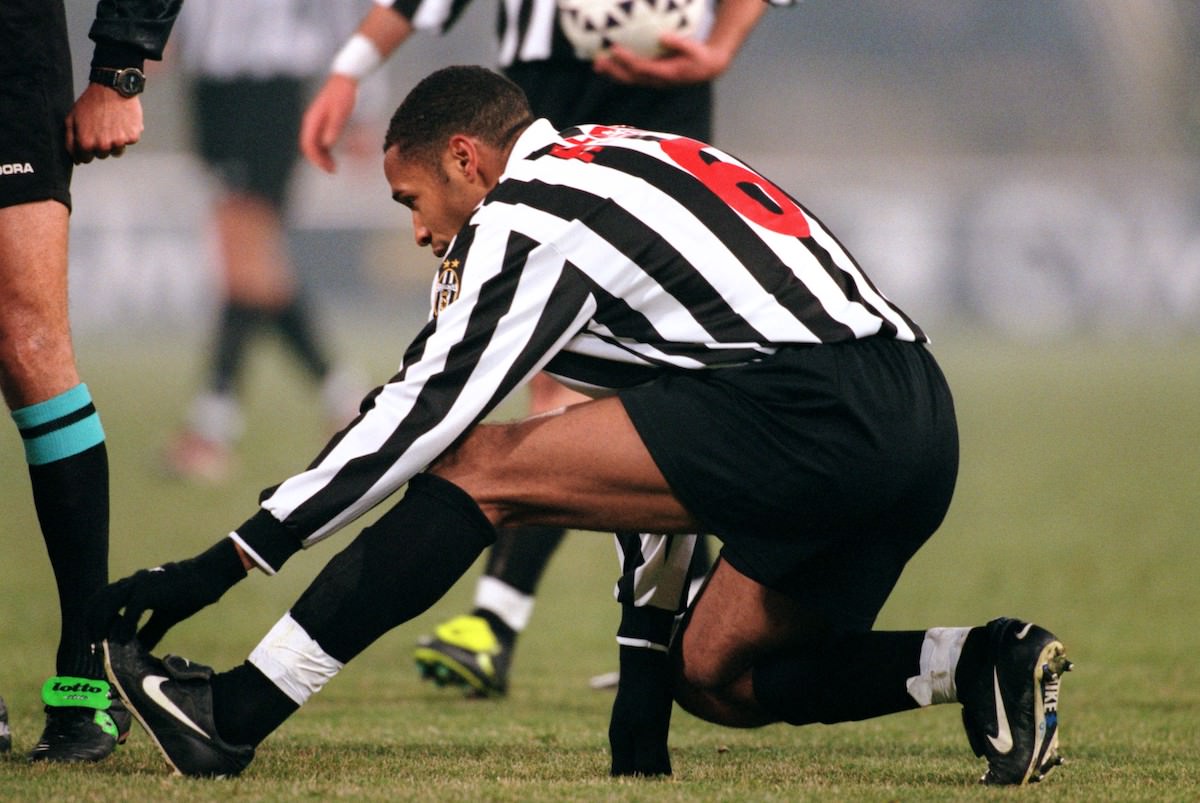
Posterior (back) muscles, such as the Hamstrings (Semimembranosus, Semitendinosus & Biceps Femoris) and the Gluteus Maximus, produce the opposite movement than their anterior (front) counterparts; mainly extending the thigh at the hip and flexing the leg at the knee.
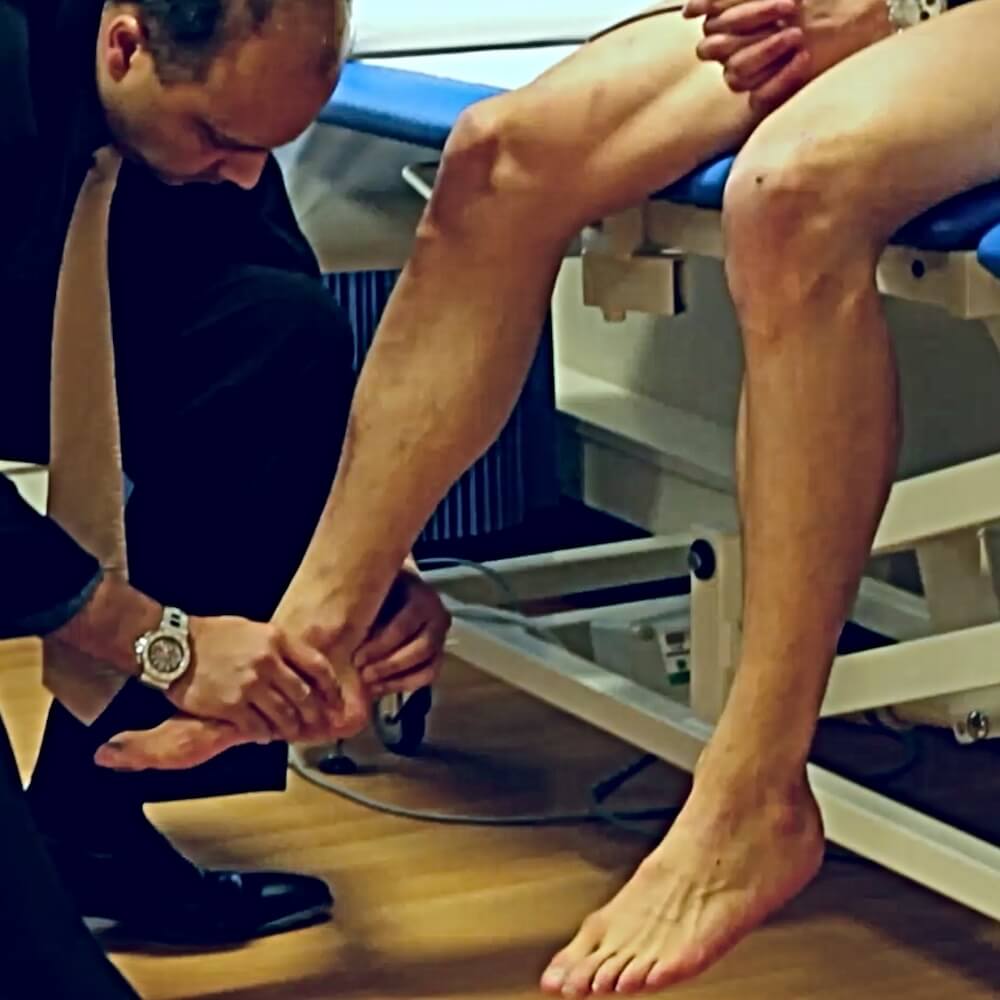
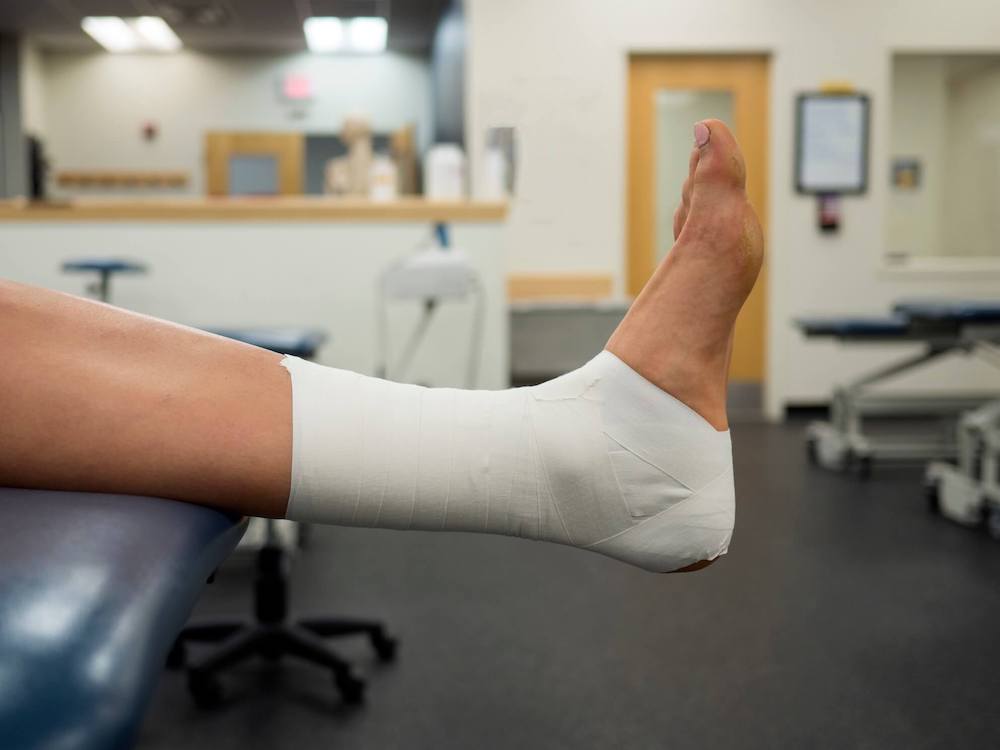
The calf muscles, including the gastrocnemius and soleus, form the Achilles tendon of the heel. These muscles contract to flex the foot — such as when standing on your tiptoes — and flex the toes. They also help to stabilise the ankle joint, foot, and to maintain the body’s balance.
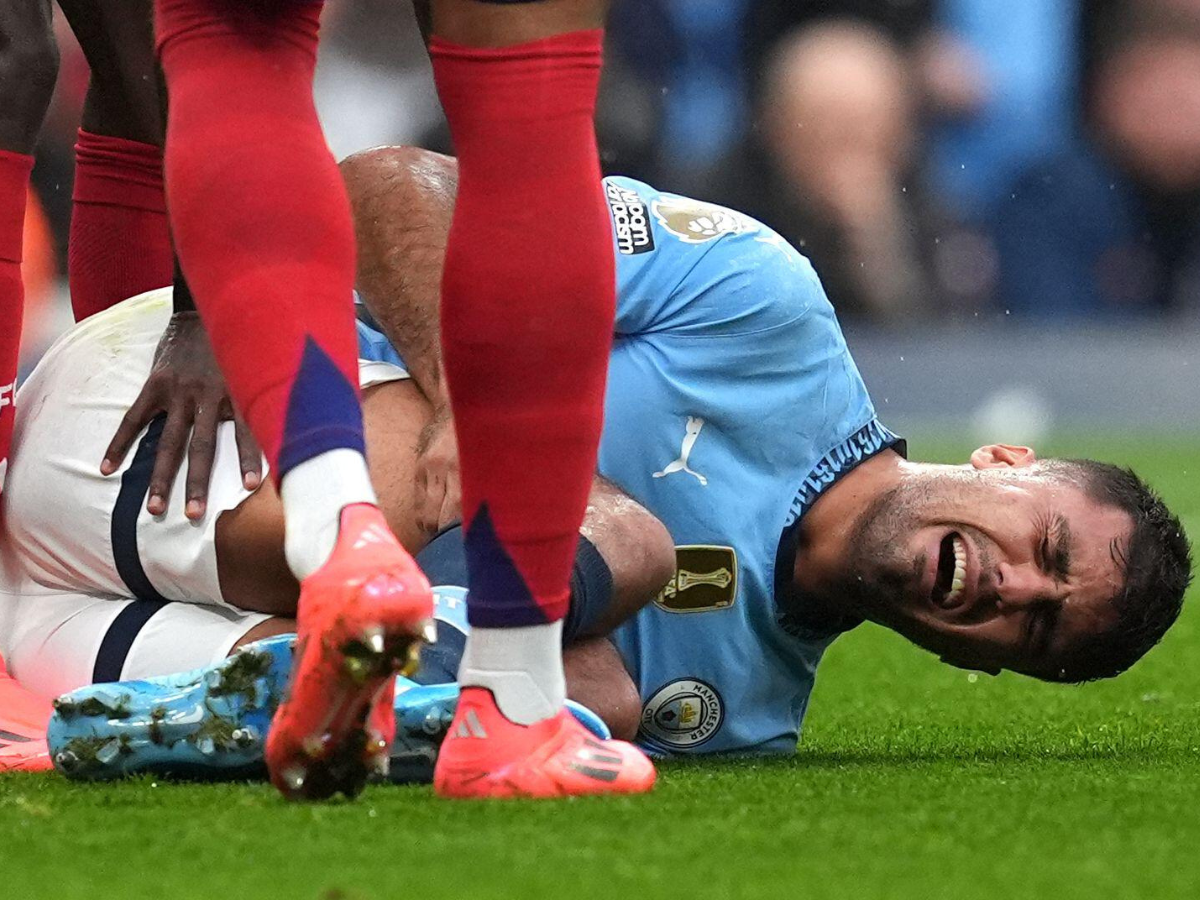
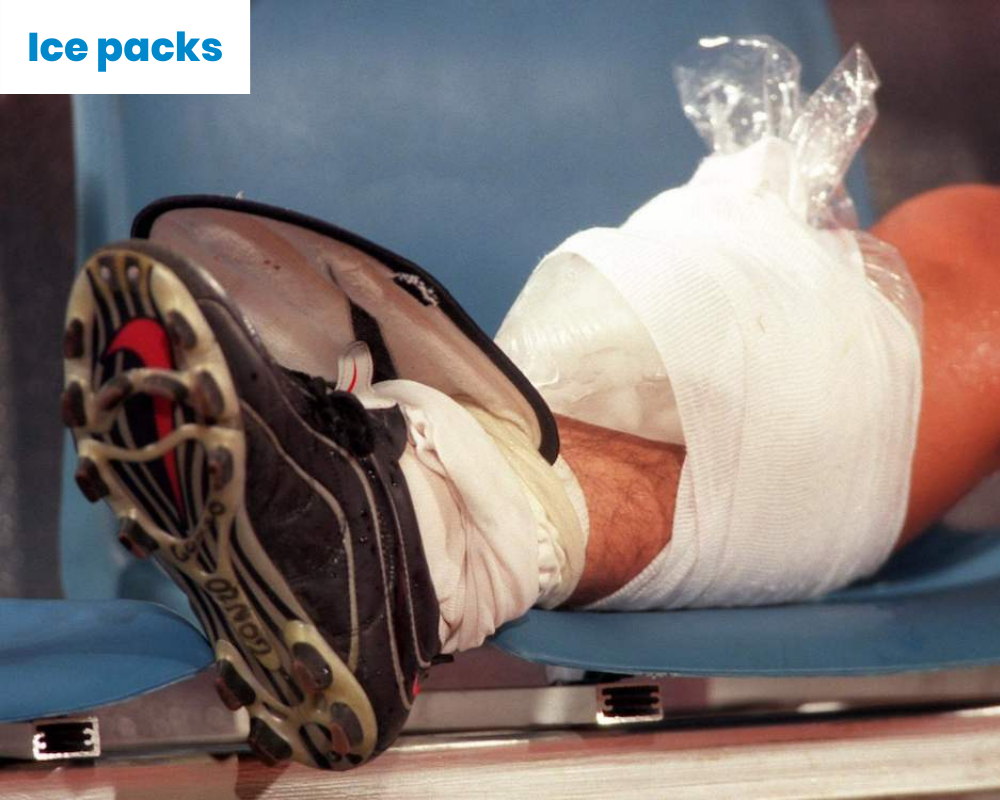
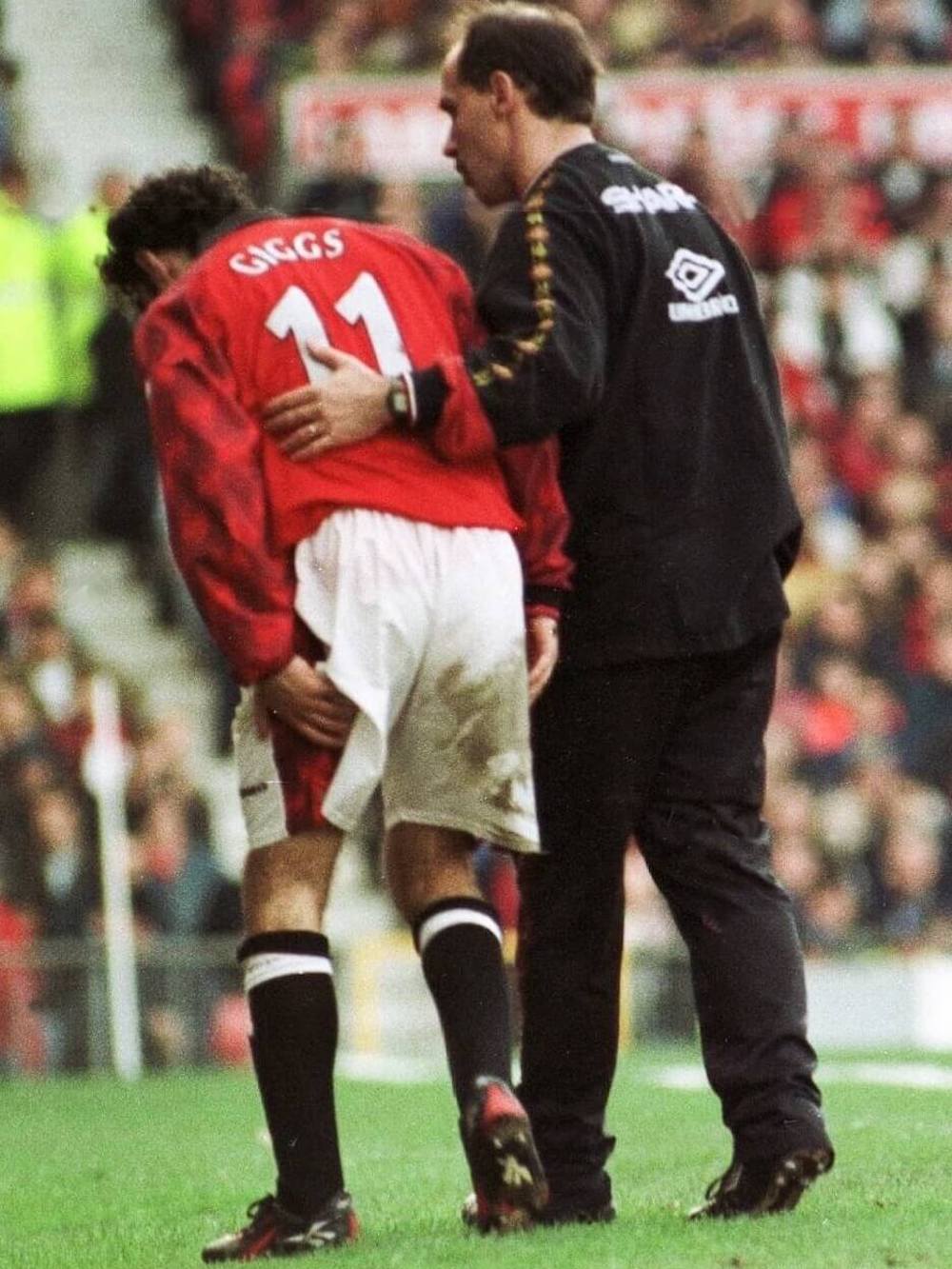
Football leg injuries are seen mostly in the hamstrings. Followed by calf injuries , both usually pull or strain when they happen. Achilles injuries are not as a common but cause the most trouble, as they take time and a careful process to heal.
Final Note
It is important to look after the muscles in the back of your legs so you can continue to play football at an optimum level!
Comments
Loading comments…