Do you have an Achilles injury?
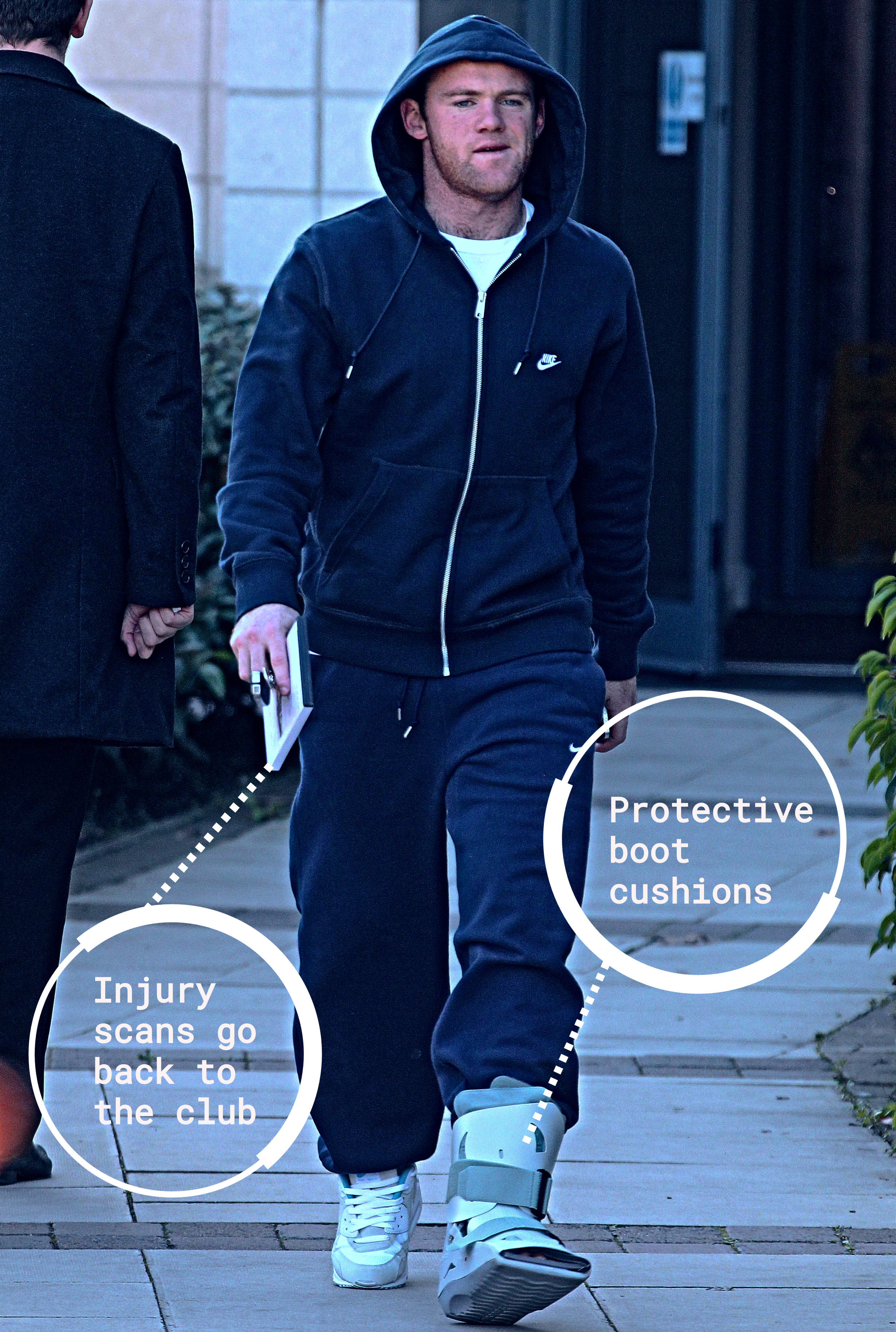
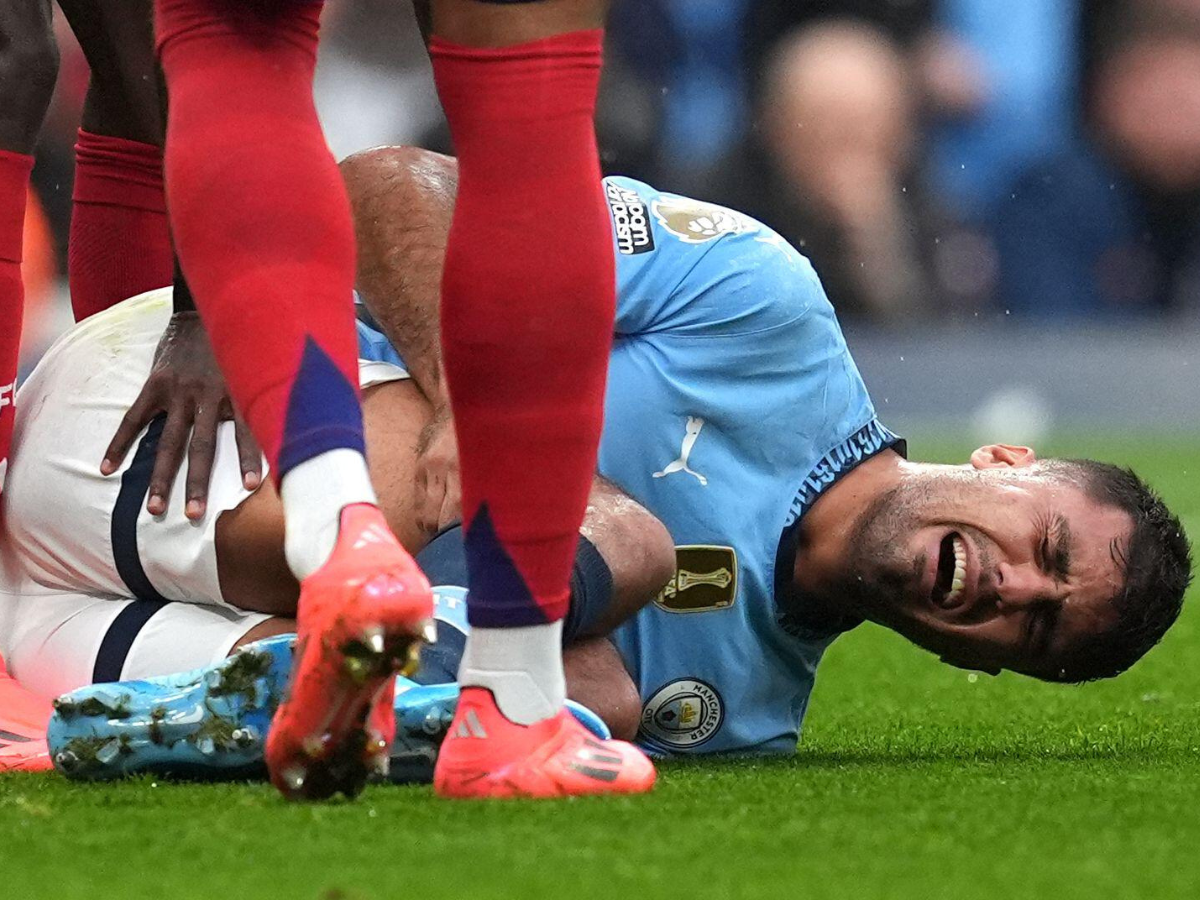
Achilles tendon injuries used to be the stuff of nightmares for a footballer. A snap at the back of the ankle would mean a season write off – or even the end of a career.
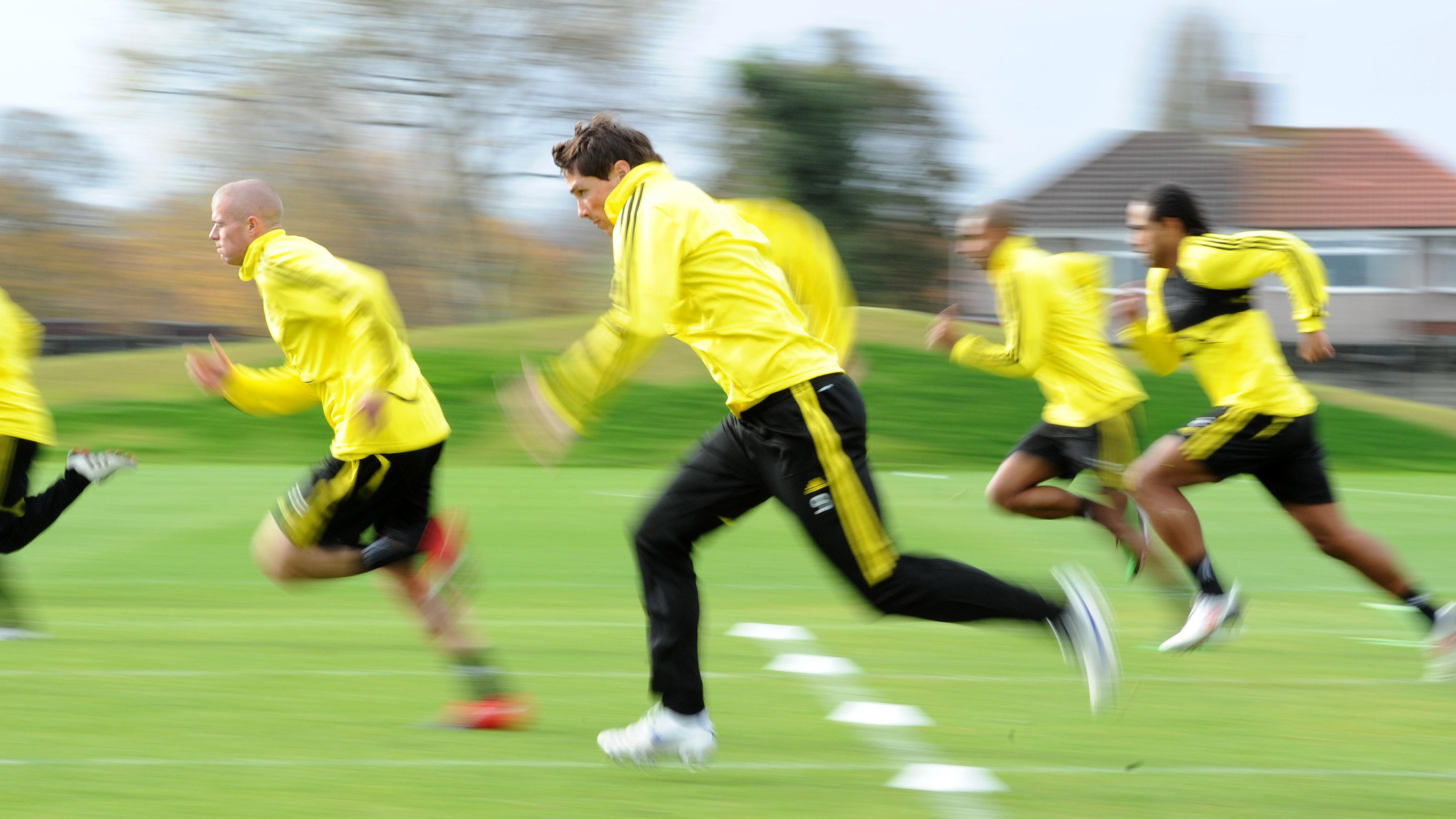
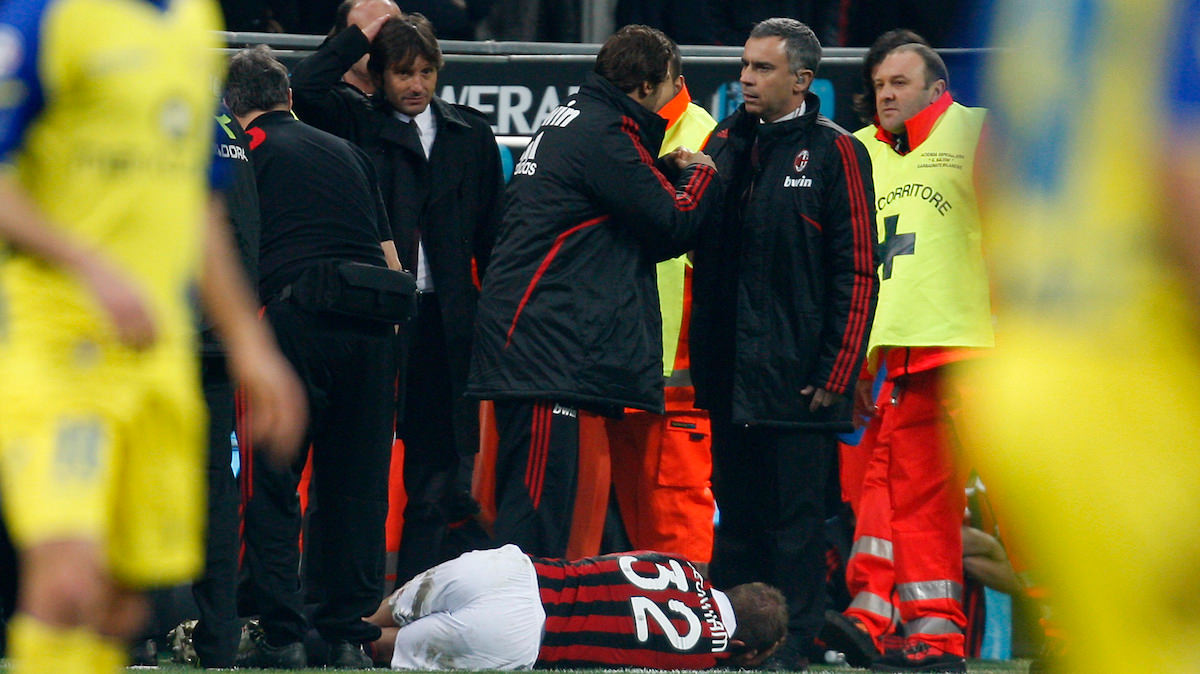
COMMON ISSUE:Cole checks some discomfort at England training. Achilles tendon injuries are a problem.
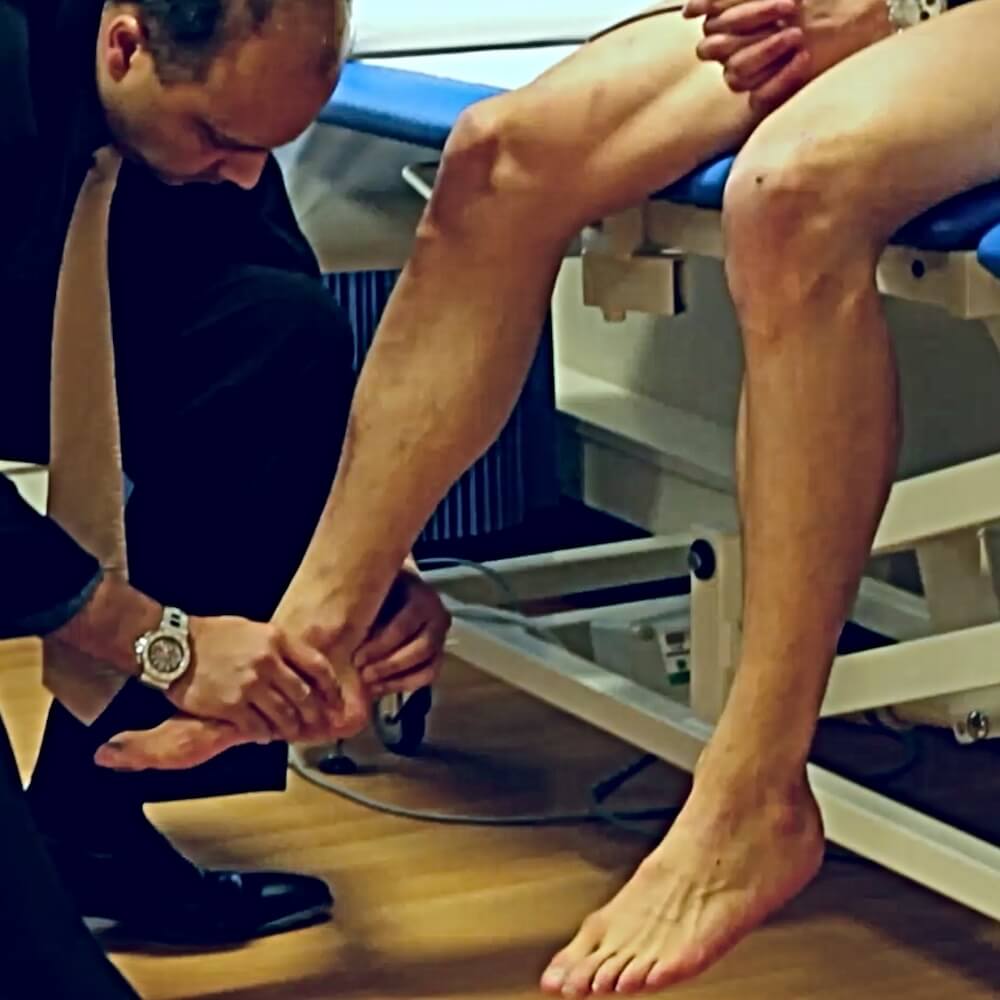
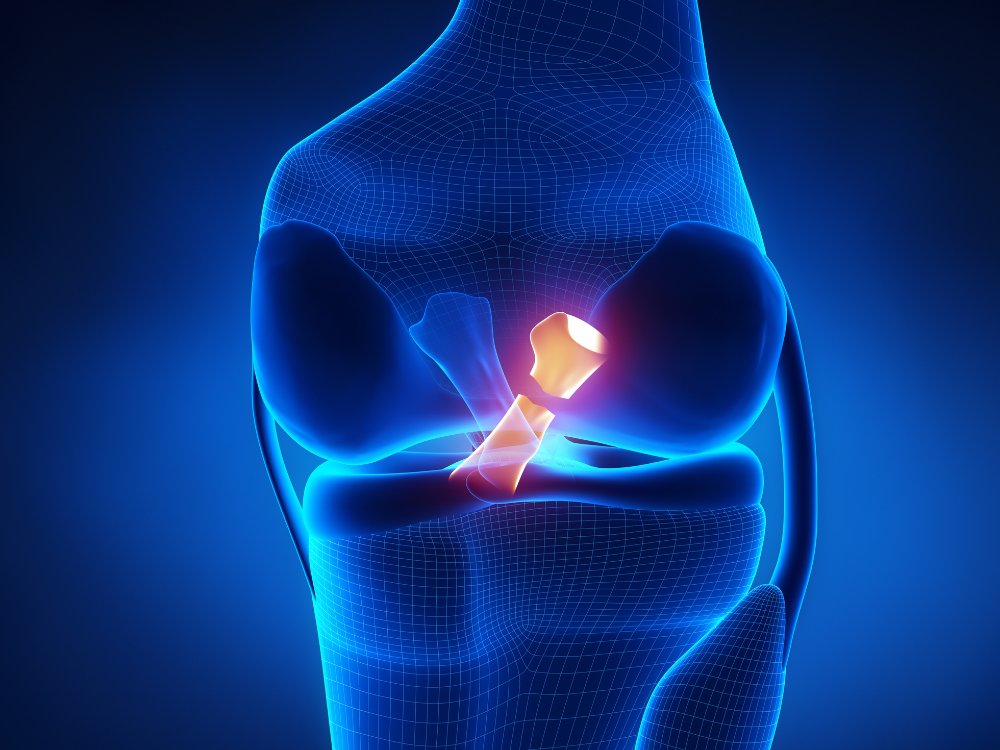
The Achilles is one of the body's longest tendons . It connects the calf [gastrocnemius & soleus] muscles to the heel bone [calcaneus]. Pain at the back of the ankle or lower calf can signal an Achilles football injury.
There are many Achilles injury causes.
The causes & risk
Heavy or changed training schedule intensity
Change in playing surface - soft (grass) to hard (astro)
Calf muscles that are tight and weak
Pronation - foot rolling inward
Ankle instability
Regular wearing of raised footwear can shorten the Achilles tendon
Decreased blood supply to tendons with age can make them injury prone
Feet with high arches are linked with Achilles tendinopathy risk
A leg-length difference can cause extra load on the Achilles tendon
What to look for
• Localised Achilles pain in lower calf where the tendon & muscle tissue meet
• Swelling and stiffness of the tendon more noticeable in the morning
• The area is tender when touched, feels warm and appears red
• Reduced strength in the lower leg and/or ankle
• Ankle range of motion is reduced with difficulty when flexing
• Presence of a Haglund's deformity, a bony formation on the back of the heel
Confirming the problem
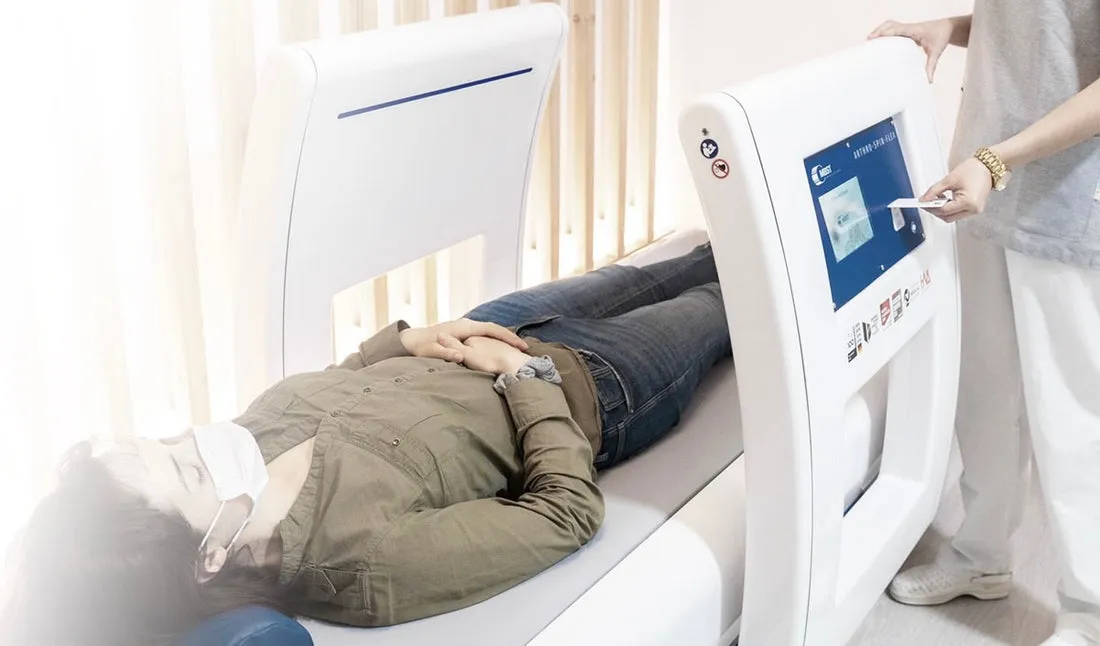
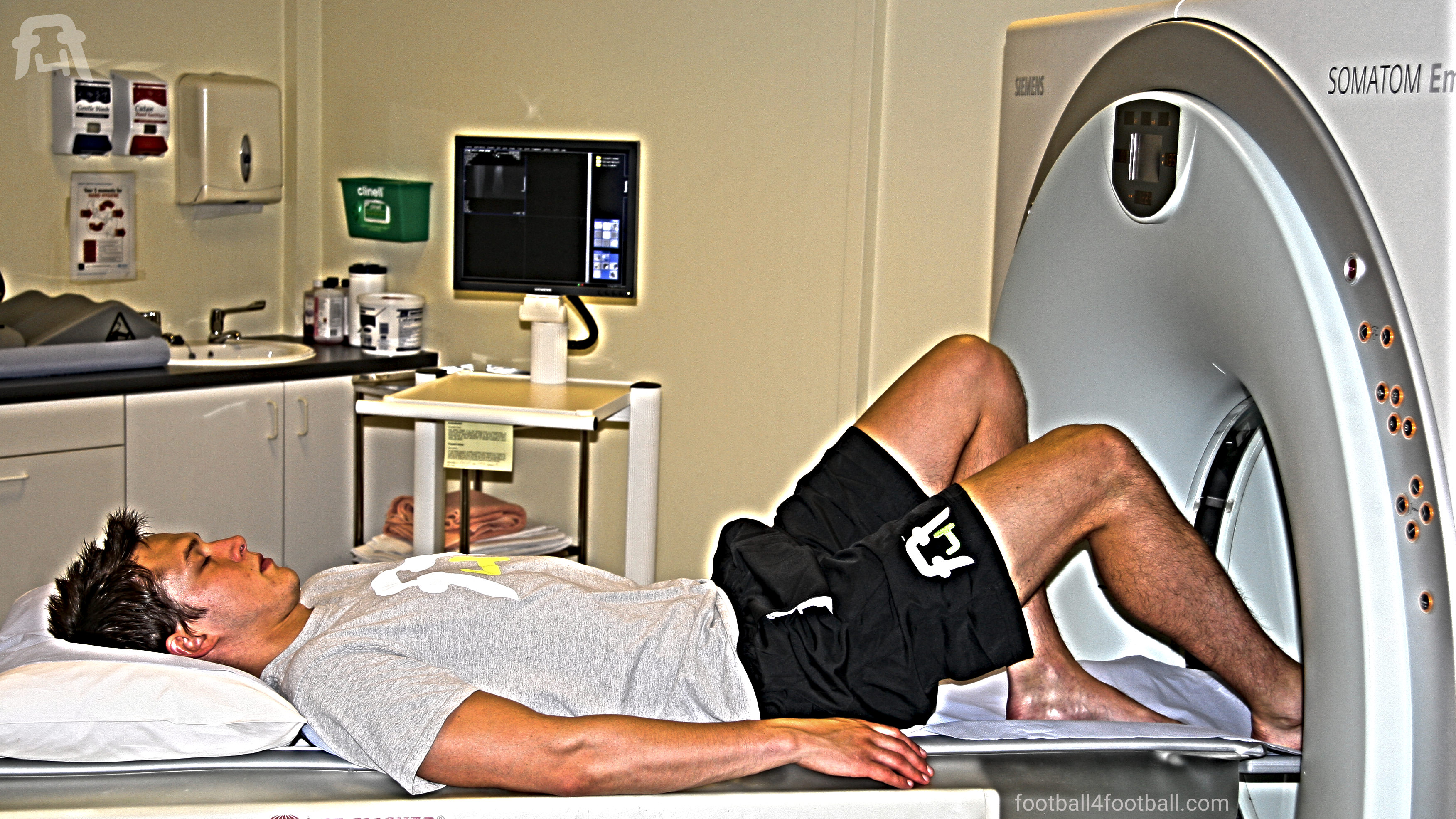
Doctors may order diagnostic imaging to get a detailed view of the tendon or to rule out other conditions.
Magnetic resource imaging (MRI) provides detailed views of the Achilles tendon. It can reveal tendon thickening or micro-tears in the tendon linked to tendinopathy or partial Achilles tendon ruptures.
Muscles, Ligaments & Tendons
Why muscles at the back of the leg are important for football
Ultrasounds give a still view or when the tendon is moving. Ultrasound testing is used with colour Doppler effects to assess whether the Achilles tendon is vascular or has blood flow (blood does not flow to the Achilles tendon in an uninjured state).
X-rays are not used to diagnose damage to tendons. However, they do help to find hard bone problems that can cause Achilles pain. Examples are bone spurs or stress fractures.
Final Note
Achilles problems are usually quite noticeable and the player will feel them, however, to get a clear understanding of how serious the injury is, a physician needs to be consulted.
Recovery after an Achilles injury takes time. Whichever method is used following the treatment, a player would then need intense training sessions to get the flexibility back in the tendon and more importantly, the strength back in the muscles.
Comments
Loading comments…